 EN
EN

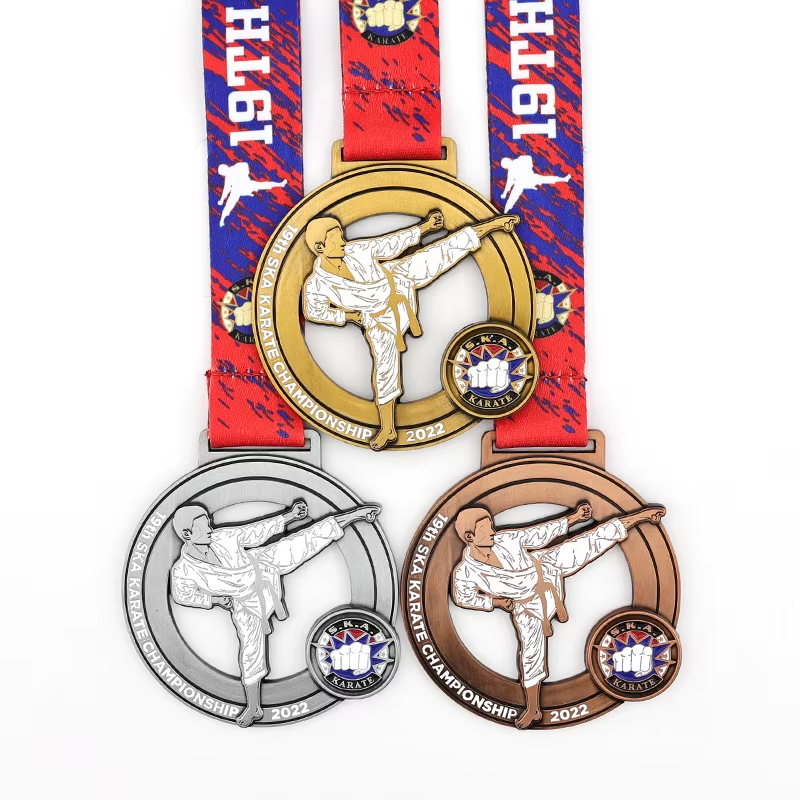
Material Quality: Why Zinc Alloy and Brass Define Premium Martial Arts Medals
Zinc Alloy Advantages: Cast fidelity, weight consistency, and cost-efficient premium feel
Zinc alloy really stands out when it comes to casting details. It captures those intricate martial arts symbols, textures, and even three dimensional elements like nunchaku designs or belt rank insignias with remarkable accuracy. This level of detail is what makes the final product feel genuinely connected to actual martial arts techniques such as grappling moves or striking forms. The material's tight grain structure means each piece weighs about the same throughout production runs. Standard 3 inch medals usually come in between 65 grams and 85 grams, which looks great when displayed together on tournament podiums without any noticeable differences in size or weight. Compared to brass, zinc costs around 25 percent less but still feels solid and premium in hand. For organizers running big events, this combination of good looks, durability, and reasonable pricing makes zinc alloy a smart choice that works well at scale.
Brass vs. alternatives: Corrosion resistance, heirloom durability, and perceived value in elite tournaments
Brass is different from materials such as iron or aluminum because it doesn't corrode easily. This matters a lot for medals that get sweaty during competitions or sit in storage for many years. Brass actually forms a kind of natural protective layer as time goes on, which means these medals can last for generations if taken care of properly. They keep looking good and maintaining their shape even after all those years. Brass is also much denser than zinc alloys, roughly 30 percent heavier. That weight gives it a certain gravitas that people notice right away. According to research published in 2024, around three out of four black belt holders connect brass medals with something special, something that signifies real accomplishment. Sure, brass costs about 20 to 30 percent more than alternatives, but when we're talking about top level competitions and prestigious events, participants expect nothing less than quality materials. After all, the medal itself becomes part of the recognition process.
Craftsmanship Indicators: Electroplating, Enamel, and Precision Engraving for Martial Arts Medals
Electroplating tiers: Matching gold, rhodium, and antique nickel finishes to tournament prestige and wear demands
The choice of electroplating makes all the difference when it comes to how long medals last and what they look like. For top tier competitions where appearance matters most, gold plating at least 1.5 microns thick gives that luxurious finish everyone expects. Rhodium plating stands out too because it just won't scratch or tarnish even after days of being handled during big tournaments. Then there's antique nickel which has this old school charm great for local meets, though it does show signs of wear faster than other options. According to data from the 2023 World Medal Association Audit, nearly two thirds of broken medals had plating below 0.8 microns thick. That's why smart event planners now recommend going for between 1.2 to 2.0 microns depending on how long the event runs and who will be receiving these awards. Thicker plating means better protection against daily handling while still looking impressive enough for special occasions.
Enamel execution: How hard enamel elevates detail retention and tactile premium perception in martial arts medals
Hard enamel gets fused at high temps then polished smooth, creating a surface that's both glassy and resistant to chips. This matters a lot when making those intricate martial arts designs. Soft enamel just can't hold up as well. The edges stay sharp on complicated patterns like dragons, dojo symbols, and weapon shapes about 40% better than with softer options. People actually notice this difference too. When touched, hard enamel feels thicker and more solid, which makes recipients rate the overall value around 28% higher according to survey results. Plus, these badges stand up to sunlight without fading and don't get scratched easily. That's why they work so well for medals that get handled all the time, packed away between events, or displayed outside during award ceremonies.
Functional Design Integrity: Clasp Security, Ribbon Durability, and Recipient-Safe Engineering
Clasp and ribbon failure points: Data-backed design priorities from WMAA field testing (2023)
Looking at field data shows that around 73 percent of returned martial arts medals end up failing because either the clasp comes loose or the ribbon starts to fray. These problems stand out as the biggest issues when it comes to how well the medals actually work. According to the latest 2023 WMAA Field Testing Report, there are three main ways to fix these problems. First off, using forged metal clasps instead of stamped ones cuts down on breakage risks by about 40%. Second, switching to polyester core ribbons makes them much stronger since they can handle five times more tension than regular satin ribbons. And third, welding the ribbon to the medallion with ultrasonic technology completely stops those annoying seams from coming apart during impacts. Tournament organizers have noticed something interesting too. When these improvements are implemented, customers tend to be really happy with their medals, especially at larger events where over 500 people participate. Satisfaction rates hit nearly 98% in such cases.
Youth vs. elite use cases: Edge rounding, weight limits, and attachment robustness by recipient profile
Good design needs to work specifically for its intended use—not just generic solutions that claim to fit everyone. For kids under twelve, safety comes first in medal design. The weights need to stay below 60 grams, and all edges should have at least 2mm radius rounding to prevent cuts. When we look at elite level competitions though, the priorities shift toward something more ceremonial and lasting. These can handle heavier medals around 120 grams with carefully shaped edges (about 1.5mm bevel) and strong military grade clasps. Safety clips that break away are required on all youth awards, whereas adult level medals focus on staying secure over time without any compromises. Real world testing shows these age specific standards cut down injuries by roughly 31%. And let's face it, getting proper certification from groups like ASTM F963 isn't optional when making anything for children.
FAQs
What makes zinc alloy a smart choice for martial arts medals?
Zinc alloy provides intricate casting details, consistent weight, and cost efficiency while maintaining a premium feel, making it ideal for large events.
Why is brass preferred in elite tournaments?
Brass offers corrosion resistance, heirloom durability, and a heavier feel, which enhances perceived value and signifies accomplishment at prestigious competitions.
How does electroplating affect martial arts medals?
Electroplating enhances appearance and durability, with gold, rhodium, and antique nickel finishes being favored based on event prestige and medal wear requirements.
What are the advantages of hard enamel in medal design?
Hard enamel provides superior detail retention, tactile premium perception, and resistance to fading and scratching, making it ideal for frequently handled and displayed medals.
What design standards are important for youth versus elite medals?
Youth medals prioritize safety features like weight limits and rounded edges, while elite medals focus on ceremonial design with robust attachments and a heavier feel.