 EN
EN

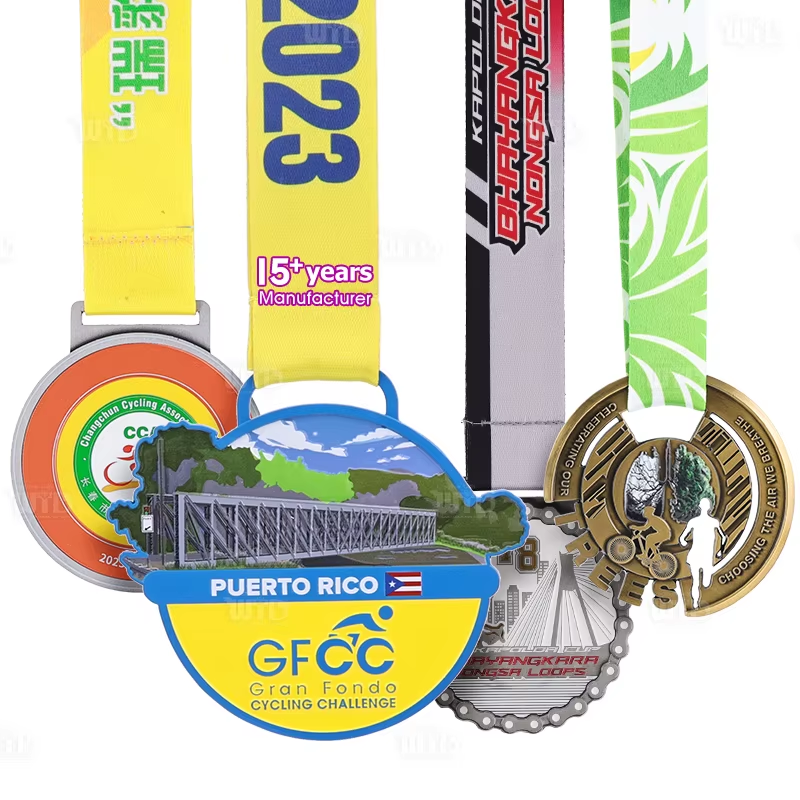
The Racing Calendar and Cycling Medal Production Timeline
Aligning Manufacturing Lead Times with Key Event Deadlines
When planning events, organizers need to get their heads around timing for producing cycling medals so nobody ends up with something embarrassing at the awards ceremony. The standard process takes anywhere from about four to eight weeks once the design is approved, though custom creations will definitely take longer than off-the-shelf options. There are several steps involved here too many to list really but they include making molds, pouring metal, polishing surfaces, and adding those special engravings. Rushing through any part of this can lead to problems down the line, industry folks say defects jump up around 30% when people try to speed things along. For big competitions like national championship events, it's wise to place orders roughly twelve weeks before the actual date just to allow time for proper inspections and unexpected delays during transport. Otherwise organizers might find themselves stuck buying whatever generic medals happen to be available last minute, which obviously doesn't do much for brand image. Getting everything sorted out early means the finished products actually match what was promised and still have that three day buffer period needed for final checks before heading out to distribution points.
Managing Seasonal Demand Peaks for Cycling Medal Orders
The summer months bring massive spikes in demand for cycling award manufacturers across the globe. From May through August, companies typically see their order books swell by around 40%, pushing normal delivery schedules out by anywhere between 10 to 14 days. Smart event coordinators get ahead of this problem by signing deals with suppliers as early as possible, sometimes up to half a year before the season starts. Many opt for award systems that allow swapping out date plates easily, while others spread out shipments strategically for events happening over multiple stages. According to recent industry reports from last year, those who start producing medals well in advance cut down on delayed deliveries by nearly four fifths. Proper planning helps avoid situations where big clients hog all the manufacturer's attention, leaving local races stuck waiting for their prizes. When organizers think ahead about stock levels, they turn what would be a chaotic time of year into something much more manageable for everyone involved.
From Design to Delivery: The Cycling Medal Supply Chain
Casting, Finishing, and Custom Engraving — A Tight 4-Week Critical Path
The manufacturing journey for cycling medals operates within a non-negotiable 4-week window from design lock to shipment. This timeline includes three precision-dependent stages:
- Casting transforms approved designs into physical molds within 5–7 days, requiring exact temperature controls and alloy composition
- Finishing (polishing, plating, color application) demands 8–10 days for quality validation at each sub-phase
- Custom engraving occupies the final week, with personalization details verified against participant databases
Putting quality checks at every step stops problems from snowballing into bigger issues down the line. When defects creep above 2%, production gets held up for about ten extra days according to industry data. Coordination between manufacturers and event planners becomes absolutely critical because sudden name swaps right before engraving can really mess things up. We've seen error rates jump nearly 40% when names get changed at the last minute. Hurrying through the finishing process also creates big problems. Cheap plating tends to show signs of wear almost three quarters faster than proper workmanship once events wrap up. With such tight deadlines there's barely any room for unexpected setbacks, which is why companies need to run multiple tasks simultaneously while working only with trusted suppliers they know will deliver what's promised when it matters most for those final podium presentations.
On-Site Readiness: Verification, Distribution, and Ceremony Execution
The 72-Hour Pre-Ceremony Window: Why Cycling Medal Verification Can't Be Rushed
The final 72 hours before a cycling awards ceremony demand meticulous verification protocols. Rushing this process risks critical errors in engraving accuracy, medal allocation, or quality control. Each cycling medal undergoes three-stage authentication:
- Matching winners' credentials against engraved details
- Physical inspection for defects (e.g., enamel flaws, clasp integrity)
- Secure inventory reconciliation with distribution manifests
A good system keeps those awkward podium moments at bay, since roughly 2 out of every 1000 medals end up needing quick fixes because of how they were made. When we rush through checking everything, mistakes go up about 17%, as some folks who study event planning have found. Getting the recognition right matters a lot for athletes. If something goes wrong with the quality checks, sponsors start questioning things and participants lose faith in the whole process. That's why event staff really need to hold onto this critical time frame if they want ceremonies to run smoothly without any hiccups along the way.
Reputational Impact: How Late Cycling Medal Delivery Undermines Recognition and Sponsorship Value
When cycling medals don't show up when they should, it really messes with the whole point of competing: getting recognized for your hard work right away. Athletes train for months, then stand on that podium waiting for their moment, only to have it dragged out because the medals are late. That kind of thing makes them feel like their efforts aren't valued properly. People watching the event start questioning if organizers know what they're doing at all, which hurts everyone's confidence in how things are run. Sponsors definitely notice too since they put money into these events expecting those shiny medal shots to go viral online. According to some research from last year, events where medals arrive on time get about 40 percent more mentions of sponsor logos across social media within two days after the race finishes. What happens next? Well, athletes who aren't happy with this situation tend to participate less often over time, maybe even dropping down around 18% each year. Meanwhile, companies look at their investment returns and wonder why bother spending so much cash on something that doesn't deliver results fast enough. Basically, constant delays turn those big celebration moments into headaches instead of highlights, damaging both the spirit of competition and the bottom line for everyone involved.
FAQ
- What is the standard production time for cycling medals? - The standard process takes about four to eight weeks once the design is approved.
- How early should organizers place orders for large events? - For big competitions, it's advisable to place orders roughly twelve weeks before the actual event date.
- Why is the pre-ceremony verification period crucial? - The 72-hour window before the ceremony is critical for verifying engraving accuracy, medal allocation, and quality control to prevent errors and ensure a smooth event.
- How does late delivery impact cycling events? - Late delivery can undermine athlete recognition, hurt sponsorship value, and damage the reputation of the event.