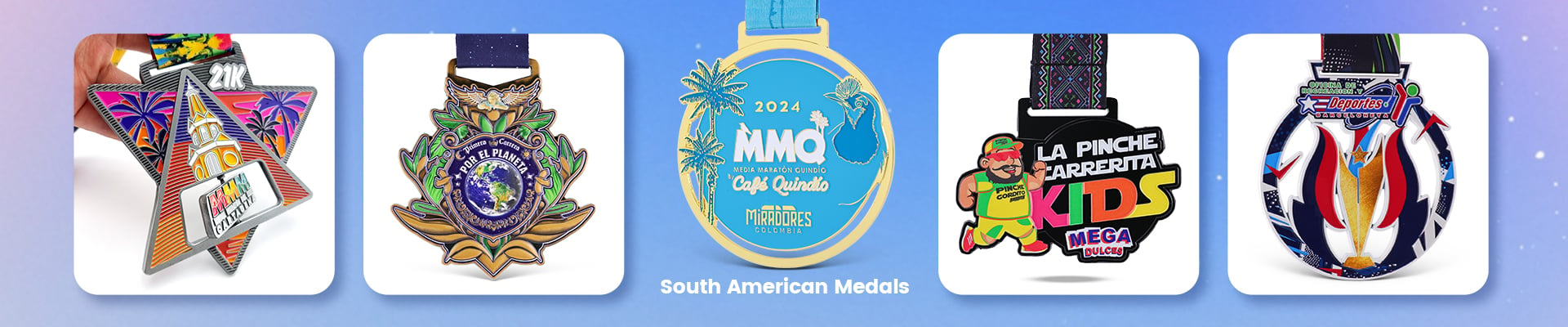
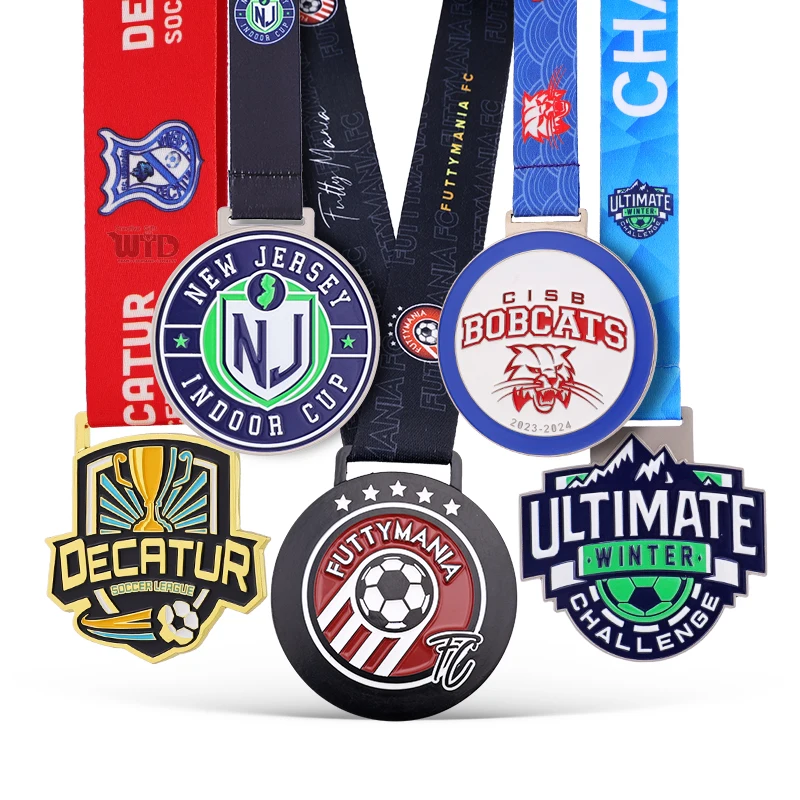
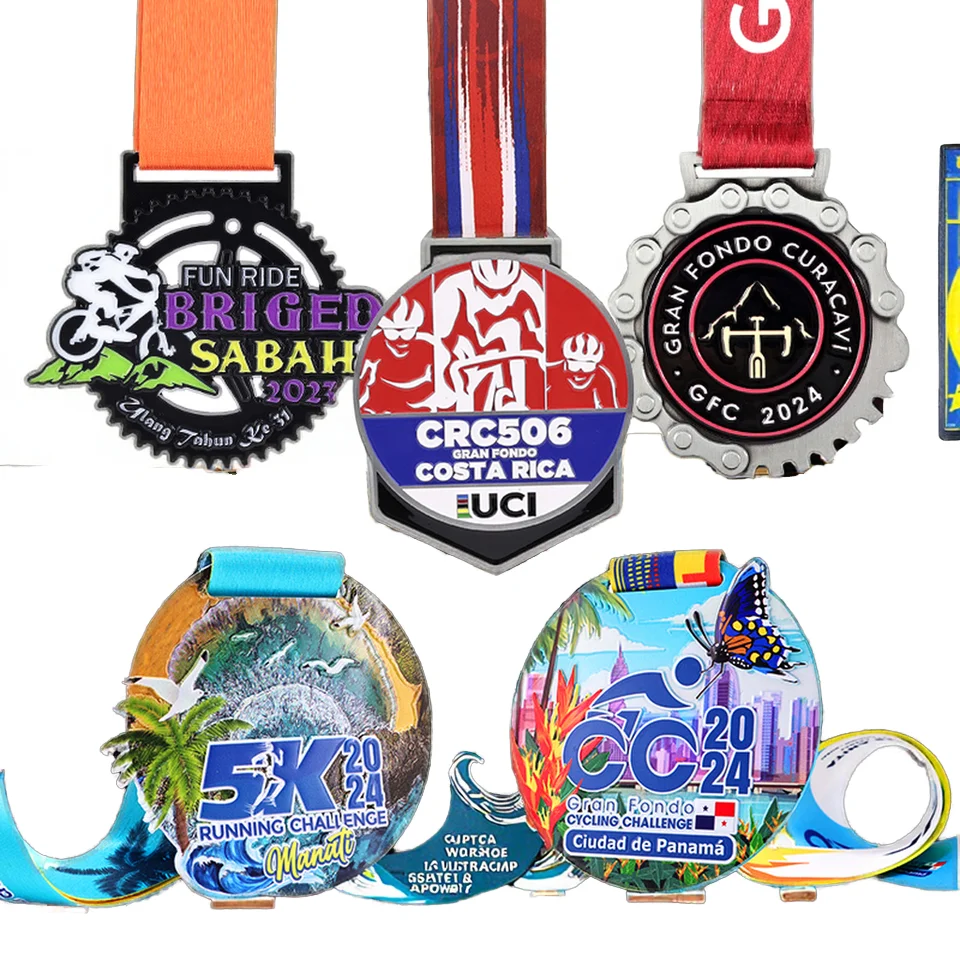
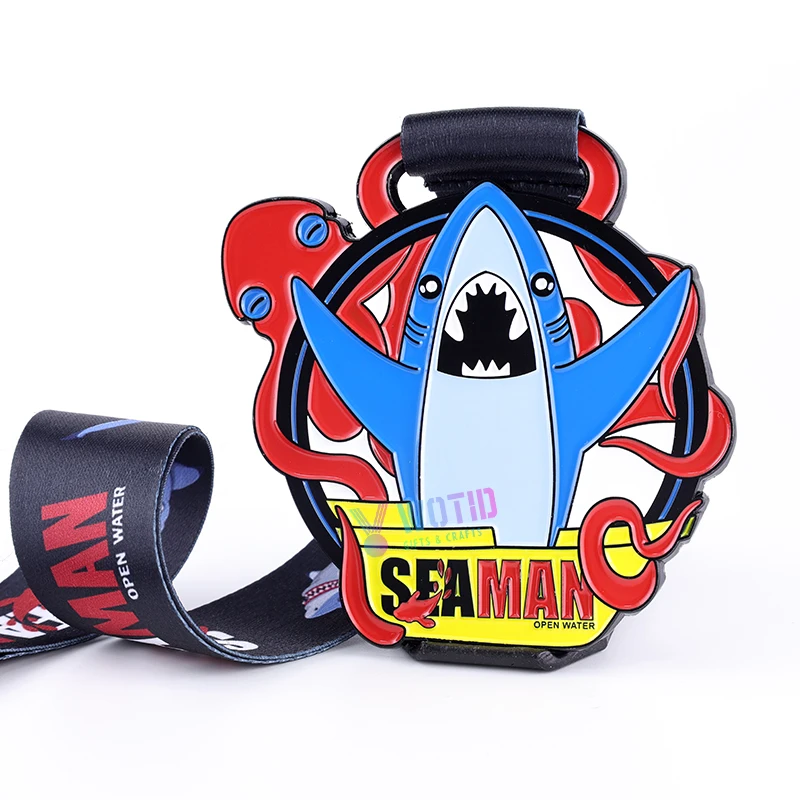
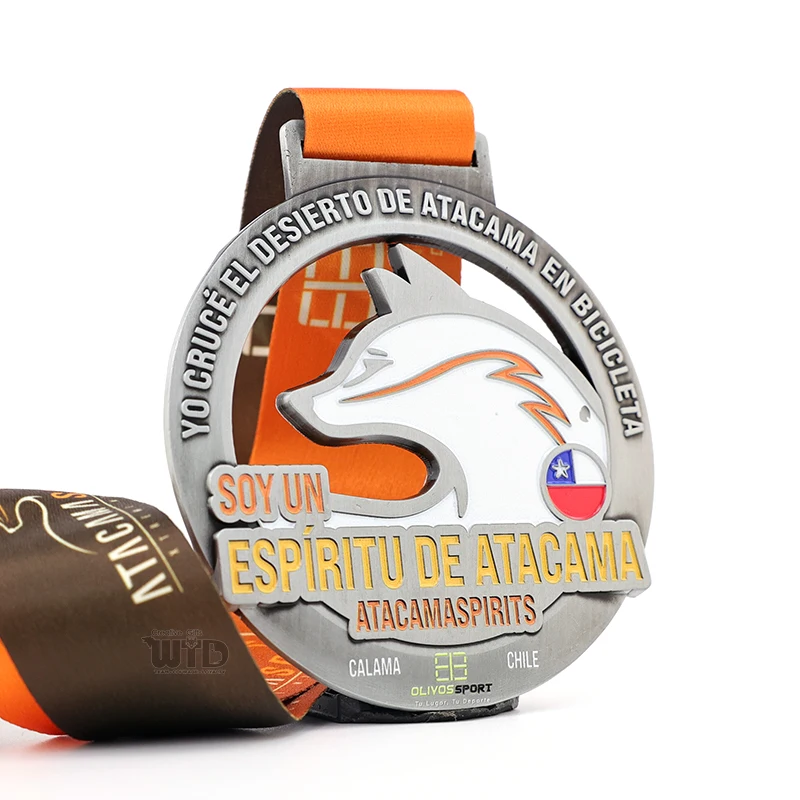
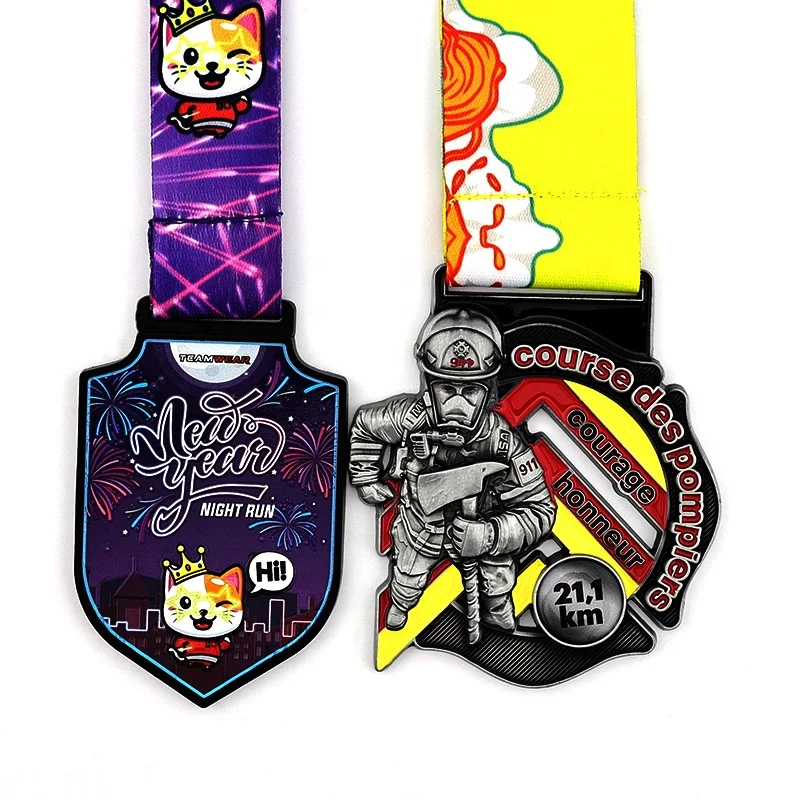
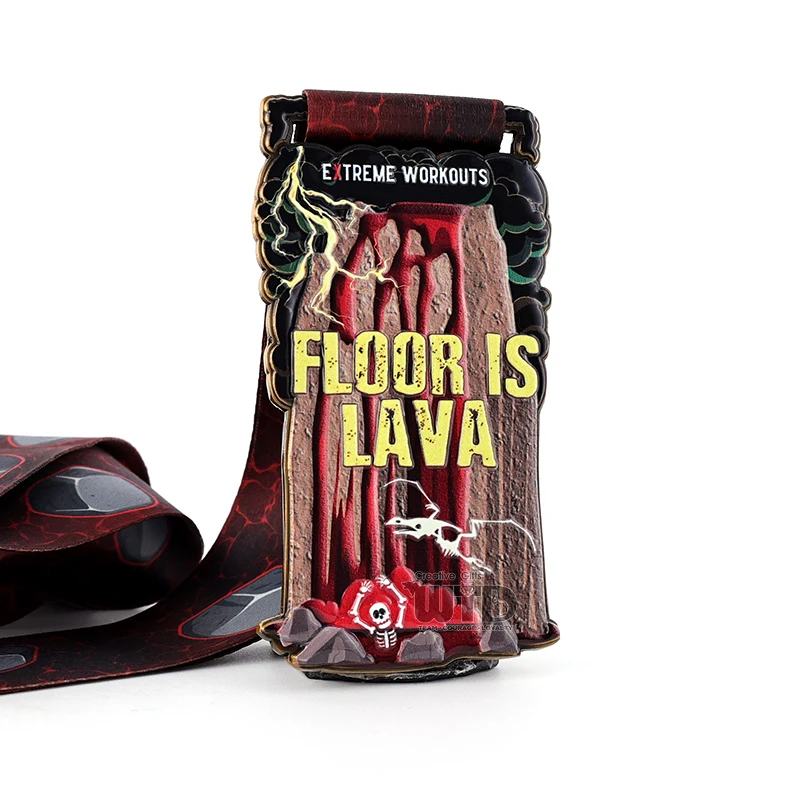
In the world of professional sports—be it a major city marathon, a high-stakes triathlon, or a prestigious corporate challenge—the medal is far more than a souvenir. It is a physical manifestation of your event’s brand and the athlete’s hard-earned achievement.
When a participant crosses the finish line, their first tactile interaction with your brand is the medal's weight and texture. Choosing between Zinc Alloy and Iron is the most critical decision an organizer makes during the procurement process. This guide explores the technical, financial, and strategic reasons why top-tier events are moving toward the Zinc Alloy Standard.
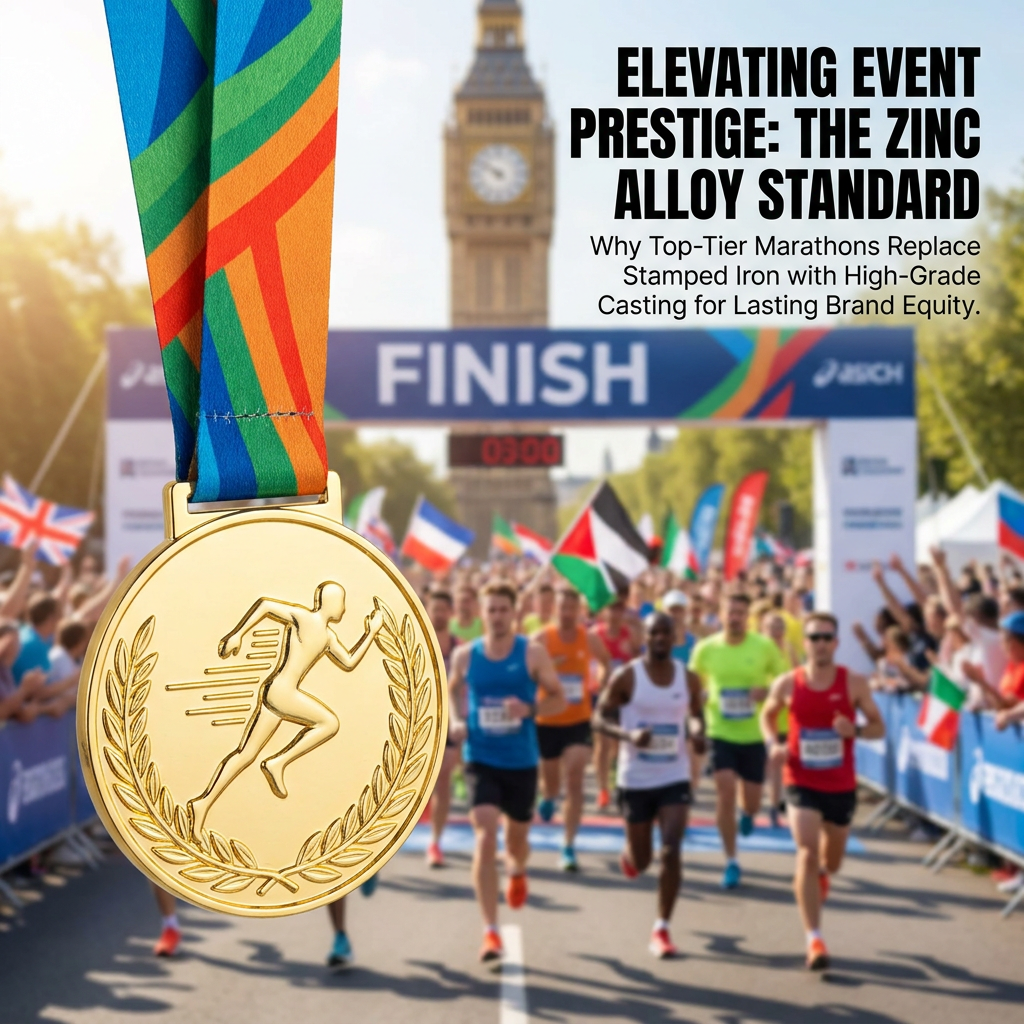
To make a data-driven decision, one must look at the physical characteristics. While both materials can be plated to look like gold or silver, their internal properties differ significantly.
| Feature | Zinc Alloy (Die-Cast) | Iron (Stamped) |
|---|---|---|
| Manufacturing Process | High-Pressure Die-Casting | Heavy-Duty Stamping |
| 3.0D Relief Capability | High (Deep textures & sharp edges) | Low (Flat surfaces & shallow edges) |
| Corrosion Resistance | Excellent (Naturally rust-proof) | Poor (Prone to oxidation/rust) |
| Material Weight | Substantial & Consistent | Lighter (Feeling "thin") |
| Intricate Cut-outs | Yes (No extra cost for internal holes) | Difficult (Requires expensive punching) |
| Surface Smoothness | Mirror-like after polishing | Often shows stamping grain/striations |
The core difference lies in the Die-Casting vs. Stamping logic.
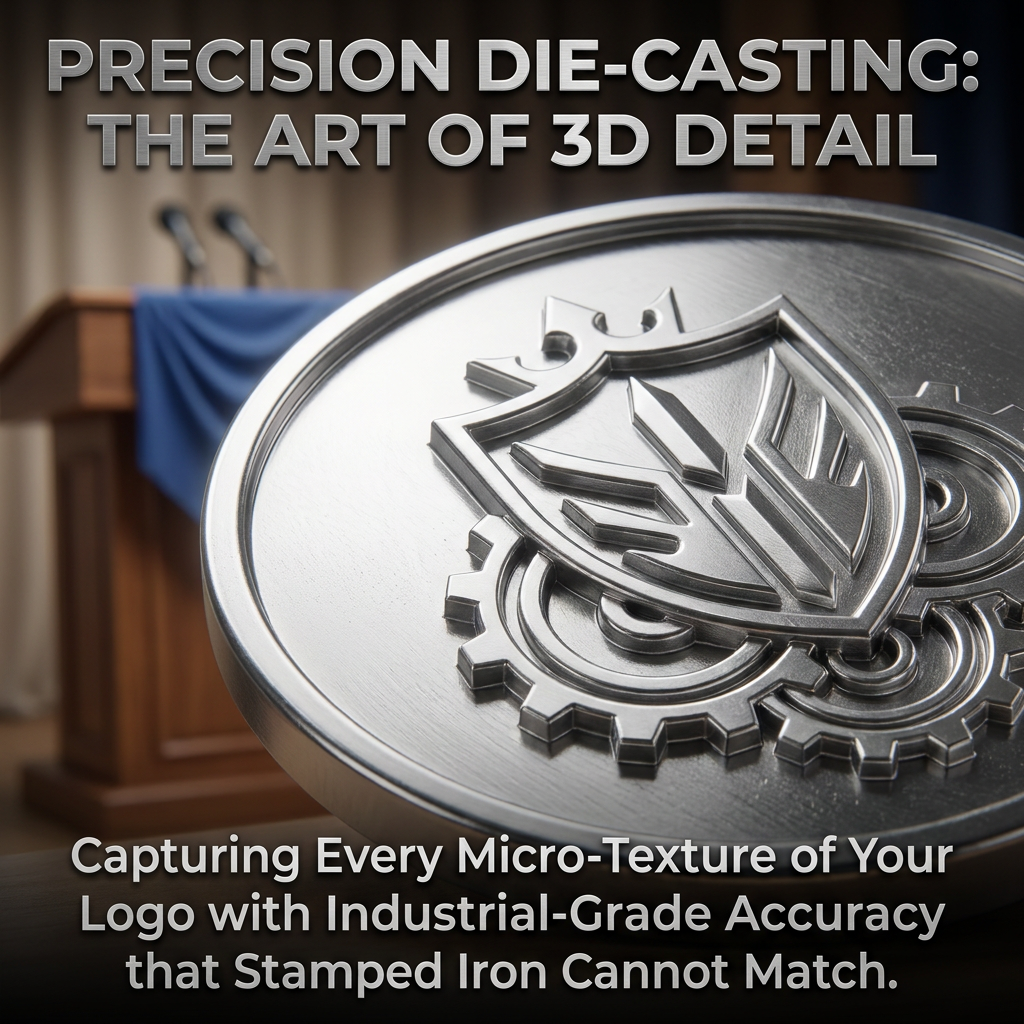
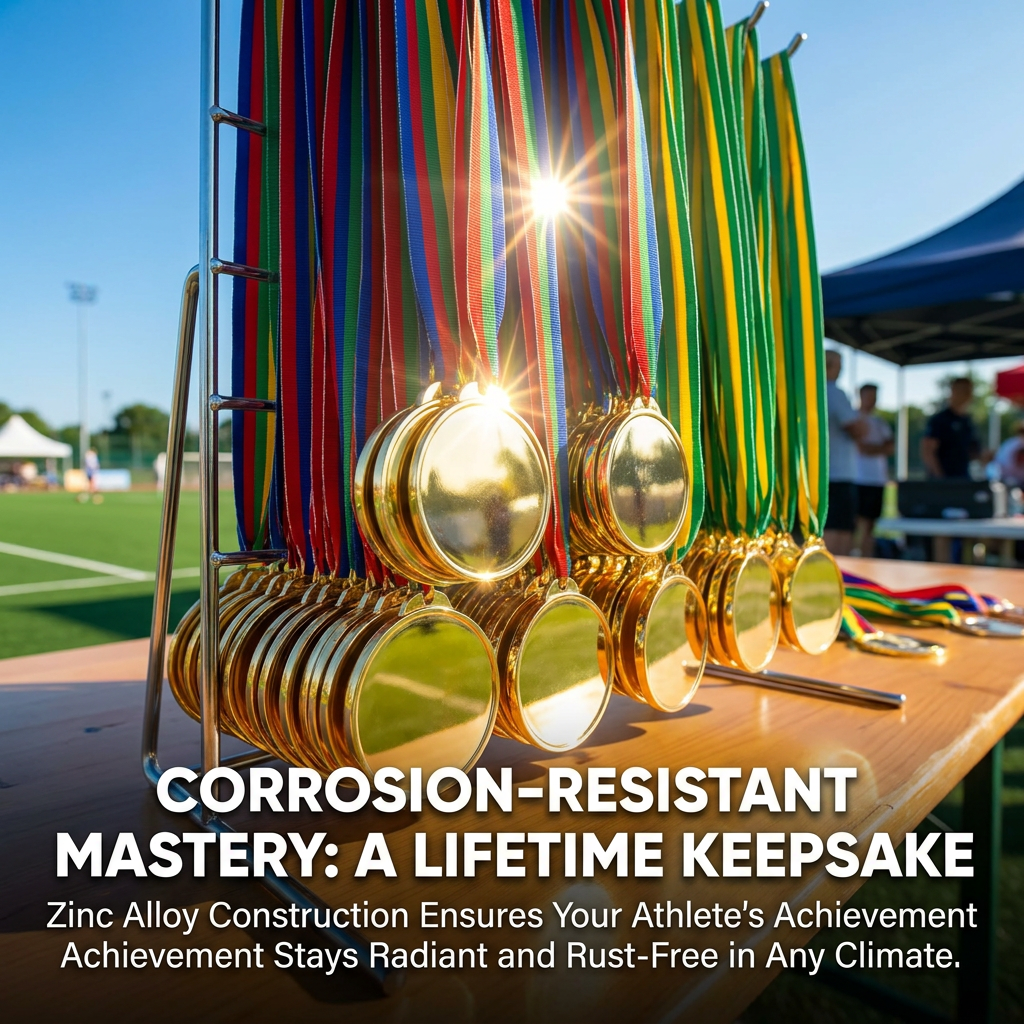
For events in coastal regions or humid climates, iron is a high-risk choice. Iron is ferrous and, despite plating, can oxidize over time, leading to unsightly rust spots. Zinc alloy is a non-ferrous metal. It is inherently resistant to the elements, ensuring that 10 or 20 years from now, your finisher’s medal will remain as radiant as the day it was earned.
Our factory utilizes High-Density Zinc Alloy (ZAMAK 3) and a multi-layer plating process to guarantee long-term luster and durability.
B2B procurement isn't just about unit cost; it’s about Return on Investment (ROI).
Selling into North American and European markets requires strict adherence to safety regulations. As a responsible source factory, our Zinc Alloy medals are:
Q: Can Zinc Alloy medals have internal cut-outs? A: Absolutely. Unlike iron, where every hole requires a separate punching tool, zinc alloy molds can include internal cut-outs at no additional labor cost, allowing for creative, "hollow" designs.
Q: How does thickness affect the choice of material? A: Zinc alloy is the preferred material for any medal over 3.5mm thick. It maintains structural integrity and provides a much smoother edge finish compared to thick stamped iron.
Q: What is the typical lead time for a Zinc Alloy order? A: Our standard lead time is 15-20 days for production, plus shipping. Because we are a source factory, we control the mold-making and casting in-house, significantly reducing the delays associated with middleman traders.
For high-volume, entry-level local runs where the budget is the only constraint, Iron may suffice. However, for any Professional Marathon, Triathlon, or Club Championship, Zinc Alloy is the undisputed industry standard. It delivers the weight of honor and the detail of excellence your athletes deserve.

 Hot News
2026-08-07
2026-08-07
2026-08-07
2026-07-31
2026-07-30
2026-07-30

Copyright © 2025 by WTD METAL CRAFTS CO., LIMITED - Privacy Policy
 EN
EN