 EN
EN

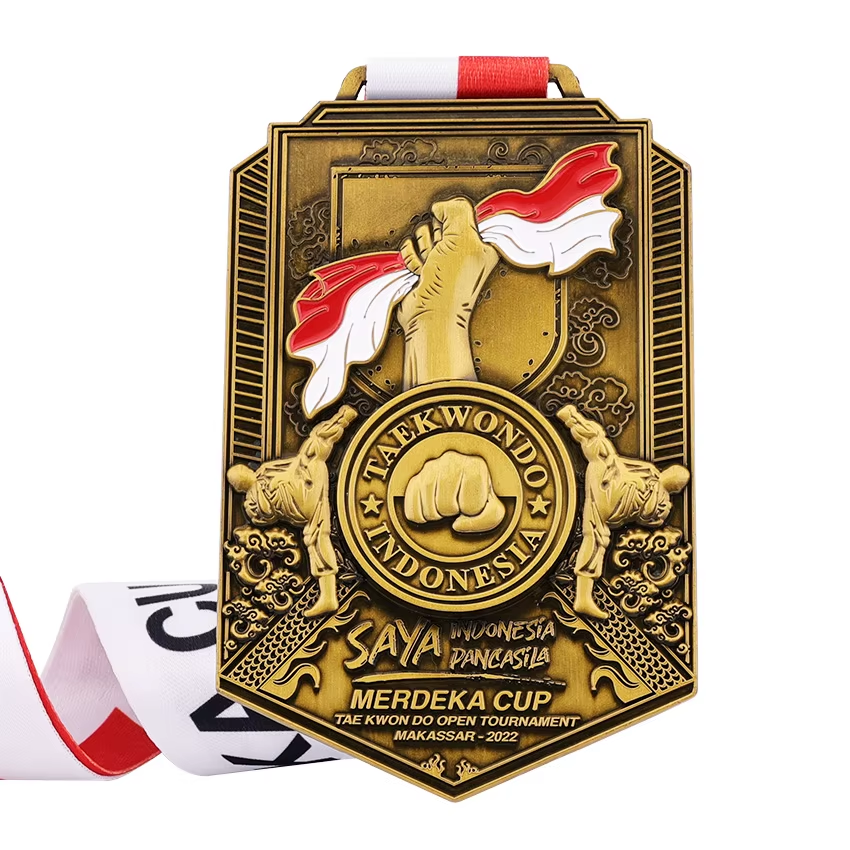
The Cultural and Symbolic Value of Jiu Jitsu Medals
Origin and Significance of Martial Arts Medals
The tradition of martial arts medals goes back to old fighting customs where fighters wore things like colored armbands as signs of respect in styles like judo and karate. When jiu jitsu started taking shape formally in Japan then spread to Brazil, medals became symbols not just of skill but also of bushido values such as honesty and bravery. Back in the early 1900s, winners at competitions got plain fabric patches rather than shiny metal stuff we see today. These early badges were really basic but still meant something big for those who earned them, showing they lived up to the spirit of warriors. As jiu jitsu grew around the world, so did the medals themselves turning from simple tokens into fancy pieces that now look more like jewelry than practical recognition items.
Cultural Significance of Achievements in Jiu-Jitsu
Getting a medal in jiu jitsu means something way beyond just winning a match at a competition. It's basically joining an ongoing story of people who've spent years working on themselves both physically and mentally. For those in Brazilian Jiu Jitsu circles, these medals are proof of all the blood sweat and tears poured into training sessions day after day, which fits right into the tradition of sticking with things no matter how tough they get. Some recent numbers from BJJ schools show around 7 out of 10 students see their medals as keys opening doors to real respect among fellow practitioners instead of just collecting shiny objects on shelves. Even getting third place can be super meaningful sometimes, especially when someone comes back from injuries or finally beats that nagging doubt holding them back during rolls. That whole mindset keeps the focus where it should be all along – on growing as a person rather than showing off accomplishments.
Jiu Jitsu Culture and Community Beyond Competition
Jiu jitsu medals really bring people together, linking seasoned black belts with those just starting out. After tournaments, many fighters dedicate their medals to instructors who helped them along the way, which shows how these shiny pieces of metal actually build stronger relationships between teachers and students. The value goes way beyond just recognizing individuals. Schools often hang up championship trophies where everyone can see them, giving the whole team something to strive for. Some older athletes even take their old medals and use them as props when teaching kids at local gyms. What makes this tradition so special is that it emphasizes teamwork and perseverance rather than just focusing on personal achievements. That's what makes jiu jitsu unique compared to other sports where winning is all that matters.
Achievement and Career Impact: The Role of Medals in Brazilian Jiu-Jitsu
Types of Accolades in BJJ Tournaments
In Brazilian Jiu-Jitsu competitions, fighters get recognized for their skills in different ways. The usual stuff is winning gold, silver, or bronze on the podium, but there are other awards too. Some tournaments give out Best Technique Awards when someone shows really smart moves, and Best Submission Awards for those jaw-dropping takedowns that leave everyone watching in awe. Big events like the IBJJF Worlds and ADCC Trials have special categories as well. At these major contests, they sometimes hand out Sportsmanship Awards to athletes who display good character during matches. This reflects how important respect and fair play remain in BJJ culture even though competition gets pretty intense at times.
The Role of Jiu Jitsu Medals in a Grappler's Career Progression
Winning medals really boosts careers in grappling circles, opening doors to sponsor deals, coaching jobs, and spots at top academies across the country. A recent look at numbers from Grappling Insider back in 2023 showed something interesting too: about two thirds of pro BJJ fighters said landing on the podium made all the difference for where they are now professionally. Getting those shiny trophies isn't just about pride either. They show real progress in skills over time, whether someone started out fighting locally or eventually made it to world championships. And let's face it, when a competitor keeps coming away with hardware, people start taking notice. That attention often leads directly to belt promotions within schools or even opportunities to get certified as instructors themselves down the road.
Recognition and Credibility From Tournament Success
Winning medals consistently really boosts a practitioner's standing in the Brazilian Jiu-Jitsu world. Most coaches and fellow competitors look at competition results before suggesting someone for team captain positions or guest instructor spots at seminars. The reputation these wins build doesn't stop at the gym door either. Many martial arts schools and supplement companies now team up with top performers, basically using their success stories as marketing tools to draw in fresh faces wanting to learn from winners.
From Tradition to Sport: Evolution of Jiu Jitsu Rankings and Medals
History and Evolution of Ranking Systems in Jiu-Jitsu
The belt ranking system we see in modern jiu-jitsu actually started back in the 1930s in Brazil, where they created something much simpler than what was common in Japan at the time. At first there were just two colors - white for beginners and black for masters. But as the sport grew, so did the need for more gradations. The blue belt came along sometime in the 40s, followed by purple in the 70s, then brown in the 80s, and finally coral belts appeared in the 90s. These additions helped track how good someone gets technically over time. What makes this different from older systems is that nowadays people aren't just judged on fighting ability anymore. There are actual standards everyone follows. Most folks take between ten to fifteen years working their way up from white to black belt. According to Grappling Insider from last year, almost 6 out of 10 practitioners spend eight years or longer before even getting to purple belt status.
Evolution of Jiu-Jitsu from Traditional Combat to Modern Sport
After World War II, jiu-jitsu underwent major changes that took it away from being used on battlefields and turned it into something more like a sport. They got rid of things like striking opponents and defending against weapons, focusing instead on controlling positions and getting submissions. The shift really helped boost competitive aspects of the art form. According to some recent numbers, around 78 percent of all dojos today have competition teams, which is way higher than back in 1985 when only about 12% did so (as reported by BJJ Census 2022). Efforts to get Olympic recognition started seriously around 2018 and this has definitely made jiu-jitsu feel more legitimate as a modern sport. Still, at heart, the core ideas haven't changed much. People still rely heavily on leverage and technique fundamentals that were there long before anyone thought about competitions.
Special Accomplishment Belts and Their Relationship to Medal Prestige
The coral belts in Brazilian Jiu Jitsu (those red and black ones) and the red belts themselves represent decades of hard work usually around 30 to 50 years on the mat. They're awarded not just for winning competitions but also for how much someone has given back through teaching others. Less than 10% of all black belts ever make it to this level, which generally means having won several major tournaments plus spending countless hours mentoring students. The system works kind of like two sides of the same coin really. Tournament wins show what someone can do right now, whereas these higher belts recognize people who have stuck with the art over many years, often shaping entire communities along the way.
Standardization and Authority: How Organizations Shape Medal Value
Role of Organizations in Standardizing Jiu Jitsu Medals and Achievements
Organizations such as the International Brazilian Jiu-Jitsu Federation (IBJJF) set down clear rules about how tournaments run, who gets medals, and when someone moves up belts. The rules help keep things consistent worldwide. A recent survey found around 85 percent of martial artists think having standard rules makes competitions fairer (Martial Arts Governance Survey came out last year). When they define what counts for points and set different requirements for each division, these groups basically protect the value of achievements at every level, whether someone is fighting as an adult black belt or competing in the masters category. Having this kind of standardization lets people track their improvement objectively and builds confidence that the whole sport actually means something real.
Challenges in Maintaining Authenticity and Fairness in Rankings
Even with standardized rules, about a third of athletes still notice differences in how judges score matches at different regional events according to the Global Grappler Report from last year. When referees subjectively assess moves like sweeps or submission holds, it often causes arguments among competitors. This problem has pushed many governing bodies to start mandatory training programs for their officials. The sport has grown so fast recently that we're seeing fragmentation too. Some new leagues are focusing more on making money than sticking to time honored traditions. Major organizations trying to keep things authentic now rely on digital tracking systems to follow where medal winners come from and make sure they aren't using banned substances. But there's still a big gap in what different regions have access to when it comes to equipment and support staff.
Core Values Embodied by Jiu Jitsu Medals and Competition
Discipline, Respect, Humility, and Resilience in the Pursuit of Jiu Jitsu Medals
The medals earned in jiu jitsu represent something much deeper than just winning matches. They stand for years of hard work, showing respect to training partners and senseis, and learning when to admit what we don't know. According to some recent research from martial arts organizations, most black belts say going through the process of earning these medals actually helped them become more resilient over time. After all, getting knocked down repeatedly during training tends to make fighters better at adapting their techniques. The whole system makes sense when looking at how belts progress too. Each new rank isn't just about technical ability but also about demonstrating good character on the mat.
Long-Term Growth and Patience: Why Medals Represent More Than Victory
What really matters about those jiu jitsu medals isn't so much the shiny metal itself but what they stand for all those little steps added up over years of practice, not just some quick win. Combat sports researchers looked at training records and found most fighters need somewhere around 300 hours of focused drilling to make it onto a regional podium. These medals become physical proof that patience pays off. Think about a white belt getting their first strip after maybe 18 months of showing up week after week, even when things don't click right away. That's exactly what Brazilian Jiu Jitsu is all about waiting for results instead of expecting instant success. One coach put it this way: "A medal doesn't capture the struggle, the bruises, or the early mornings. It's more about remembering all those quiet moments between matches." This mindset helps people grow beyond just fighting, which keeps the tradition alive where real growth comes from discipline, not trophies.
FAQ
What are the main values associated with Jiu Jitsu medals?
Jiu Jitsu medals symbolize a commitment to values such as discipline, respect, humility, and resilience in the martial art practice.
How do Jiu Jitsu medals impact a grappler's career progression?
Winning Jiu Jitsu medals can open doors to sponsorship deals, coaching opportunities, and positions at top academies, significantly boosting a fighter's career in the grappling world.
What role do organizations play in the standardization of Jiu Jitsu medals?
Organizations like the IBJJF set clear rules for tournaments and belt promotions, ensuring consistency and fairness in competitions worldwide, thus maintaining the prestige and value of medals.
Table of Contents
- The Cultural and Symbolic Value of Jiu Jitsu Medals
- Achievement and Career Impact: The Role of Medals in Brazilian Jiu-Jitsu
- From Tradition to Sport: Evolution of Jiu Jitsu Rankings and Medals
- Standardization and Authority: How Organizations Shape Medal Value
- Core Values Embodied by Jiu Jitsu Medals and Competition
- FAQ