 EN
EN

The Emotional Significance of Running Medals as Symbols of Achievement
How Finisher Medals Represent Personal Transformation and Perseverance
Running medals mean so much more than just some metal hanging around the neck. They represent all those early mornings, late nights, and endless miles put in over weeks and months. Training for races isn't easy stuff at all. Athletes have to deal with sore muscles, conflicting work schedules, and sometimes even battling doubts in their own heads. When someone crosses that finish line, the medal they get becomes a real keepsake of what they went through. According to research published last year, about seven out of ten runners see these little tokens as proof they can actually do things they thought were impossible before. That kind of validation helps solidify who they are as people who don't give up easily.
The Psychological Impact of Earning a Running Medal
When athletes cross that finish line, they experience this rush of happiness powered by dopamine, and getting a physical medal helps lock in that feeling of accomplishment forever. Studies show people actually feel prouder about their achievements when they receive real medals instead of just digital badges on screen, maybe around 58 percent more proud according to some sports psychology research. The boost from winning something tangible really gets people thinking about bigger challenges ahead, which creates this whole cycle where they keep pushing themselves further. Take someone who runs their first half marathon, for instance. After collecting that medal, they might find themselves eyeing up an ultramarathon next time, holding onto those old trophies as reminders of what they've already accomplished and proof they can handle even tougher distances.
Why Runners Cherish Medals: Identity, Memory, and Emotional Connection
A medal is more than just metal hanging on a string for most runners. These little tokens get woven into who they are as people. They mark moments bigger than just finishing lines sometimes. Maybe it was bouncing back after breaking a leg, running in memory of someone special, or simply proving something to oneself during tough times. Runners often hang their medals where others can see them too. Some put them on office walls while others keep collections at home. When friends ask about them, stories spill out naturally about training routines, race day jitters, and those long stretches when giving up felt tempting. With each passing year, these small pieces of hardware collect dust but also gather meaning. Each one holds its own story about particular trails run, temperatures endured, and teammates who pushed through together.
Running Medals as Milestones of Personal Growth and Dedication
Symbolizing the Journey: From Training to Crossing the Finish Line
Running medals really capture all those tough months leading up to a race. Think about waking up before dawn for training, changing what we eat, battling doubts in our heads. According to some research done last year, around two thirds of marathon runners see these little tokens as proof they actually got better over time. They mark the journey from feeling unsure about finishing to crossing that finish line with confidence. These aren't just any old trophies either. The materials used tell their own story too. Some have zinc alloy bases while others feature enamel designs that match where the race took place. Mountain trails get rugged silhouettes etched into them, coastal races often show wave patterns. Runners tend to grab these medals when telling friends about their progress, almost like touching a memory. It's strange but true how something so small can hold so much meaning for someone who put in all that work.
Each Running Medal Tells a Unique Story of Challenge and Triumph
Every single medal tells its own unique story. For someone crossing the finish line for the very first time, their award might represent breaking free from sitting around all day watching TV. But take an experienced runner who has completed ten marathons already, their tenth medal probably means something totally different - maybe it stands for figuring out how to keep running despite nagging injuries. When people hold onto these little tokens, there's actually a chemical reaction happening inside the brain too. Handling them triggers dopamine production, which helps build those mental connections we associate with feeling proud about achievements. And let's not forget about the custom engravings either. Whether it's just scribbling down the date and distance covered, or adding motivational phrases like "Embrace the Suck" on there somewhere, these tiny details serve as quick memory boosters reminding everyone exactly what challenges were faced along the way. That makes sure the whole experience remains fresh in minds for years to come.
Custom Design and Craftsmanship: What Makes Each Running Medal Unique
Race-Specific Design Elements That Reflect Course Challenges and Location
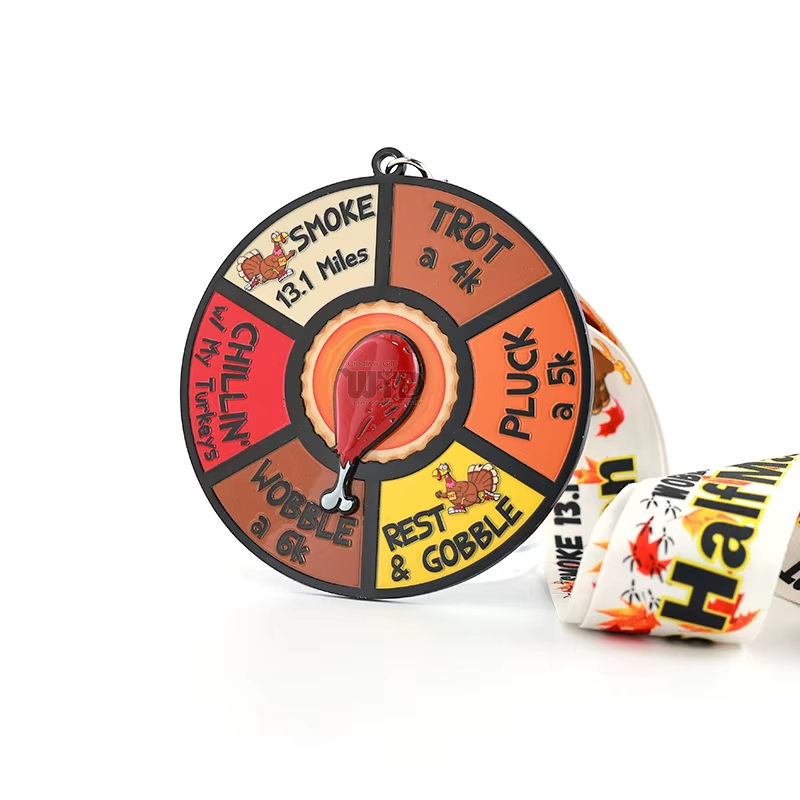
Running medals are basically tiny works of art that tell stories about where they came from. Most have big features like mountains or city skylines right on the front side, which immediately links the accomplishment to a real location. Trail running medals tend to have rough textures or lines showing hills and valleys carved into them, representing how tough the course was. Races near the ocean usually feature waves or ship shapes somehow worked into the design, whereas city marathons go for shiny, contemporary looks. All these little touches turn what could be just another piece of metal into something special that remembers both the effort put in and the actual landscape runners battled through during their event.
Engraved Details and Premium Materials That Enhance Sentimental Value
What makes a running medal really special often comes down to how it feels in the hand. High quality zinc alloys last forever, and those old school gold plates or colorful enamel gradients just make people think it costs way more than it does. When organizers laser engrave details like event names, dates, and occasionally even finish times or bib numbers onto medals, they turn something made by machines into something personal that runners actually want to keep. Take Boston Marathon medals for instance some years they've used actual stones collected from nearby mountains or recycled metal from old bridges along the route. This kind of attention to detail means these aren't just tokens for showing up at the start line. They become real keepsakes that represent months of training and effort, sitting on shelves where athletes can look back at them years later and remember the day they crossed that finish line.
How Running Medals Inspire Motivation and Community Recognition
Medals as Tangible Goals That Drive Training and Future Race Entries
Medals from running events turn those vague goals into something real that people can hold in their hands, which gives them a real boost to keep going. According to a recent survey among endurance athletes last year, about two thirds of respondents said they stuck with their training routines much better when there was a special medal waiting at the finish line. Many runners actually talk about these medals as little trophies that show how far they've come on their journey. Having this physical symbol of accomplishment makes it easier for folks to power through tough training sessions, particularly when they're working out with a particular race in mind whose medal design has caught their eye for years.
The cyclical nature of medal collection also fuels ongoing participationâ83% of runners who complete one race with a custom medal enter another event within 12 months. Race organizers leverage this by creating medal series that reward consecutive participations, turning individual achievements into long-term fitness journeys.
The Role of Recognition in Building Runner Identity and Peer Validation
After races, people often show off their medals on social media or at local meetups, which helps them feel part of something bigger than themselves. A recent study from Stanford found that runners who display their trophies tend to bond better with other members in running clubs about 42 percent more than those who keep theirs hidden away somewhere dusty. And it turns out this whole showing off thing actually works wonders for motivation too. About three quarters of marathon participants mentioned they push themselves harder during training when they know friends might catch sight of their finish line photos online.
Medals also serve as universal conversation starters at group runs and races, breaking down experience barriers between elite athletes and first-time participants. By wearing or discussing medals, runners signal shared values like perseverance, creating instant camaraderie that motivates collective improvement.
FAQ
What is the significance of a running medal?
A running medal represents personal achievement, perseverance, and serves as a physical reminder of the dedication involved in training for and completing a race.
How do running medals impact future goals?
Winning a medal can motivate athletes to set higher goals by providing a tangible reward for their hard work, encouraging them to pursue more challenging races.
How are running medals personalized to reflect race experiences?
Running medals often include race-specific designs, engraved details like event names, dates, and motivational phrases, making them unique keepsakes that commemorate the runner's journey.