 EN
EN

The Emotional and Motivational Impact of Cycling Medals
Medals as Motivation: How Cycling Medals Inspire Performance
For cyclists, winning a medal represents something real they can work toward. When riders know all those early morning workouts might result in holding up a shiny piece of metal at the finish line, it pushes them to put in extra hours on the bike. Research backs this up too many athletes perform better when there's actual hardware waiting at the end of the road. The medal becomes a marker for tough parts of races those brutal uphill sections or last minute sprints turn from just another part of the course into something worth measuring progress against. Riders start seeing how each week spent grinding through intervals pays off, while every competition moves them step by step toward that moment where they finally get to wear their hard earned prize.
Personal Achievement and Emotional Value in Athlete Recognition
Getting a cycling medal brings real emotional satisfaction to most riders. For many athletes, these medals mean something far beyond just finishing a race—they represent hard work paying off and personal growth over time. While digital trophies and online rankings exist, there's nothing quite like holding a metal token in your hand after all those hours training. According to surveys, around 8 out of 10 cyclists feel prouder when they actually get something tangible for their efforts. When that medal goes around their neck at the finish line, something clicks mentally for them. It often becomes that special moment where riders start seeing themselves differently—not just as participants but as real athletes who've achieved something meaningful.
Medals as Lasting Mementos of Endurance and Perseverance
Cycling medals stick around way beyond race day, becoming treasured reminders of how far someone has come. People hang them on walls at home or in their workshop spaces, and seeing them brings back all sorts of memories - fighting against strong winds, pushing past the point where legs just want to stop, or riding alongside friends for hours on end. When life gets tough later on, many riders will look at these medals again and remember what it took to earn them. That kind of reminder can spark fresh determination when needed most. These pieces of metal mean so much more than just finishing spots on a scoreboard. They're real proof of what people can accomplish through sheer grit and perseverance.
Symbolism and Design: Capturing the Spirit of the Event
Symbolism in Cycling Medals: Representing Dedication, Effort, and Race Identity
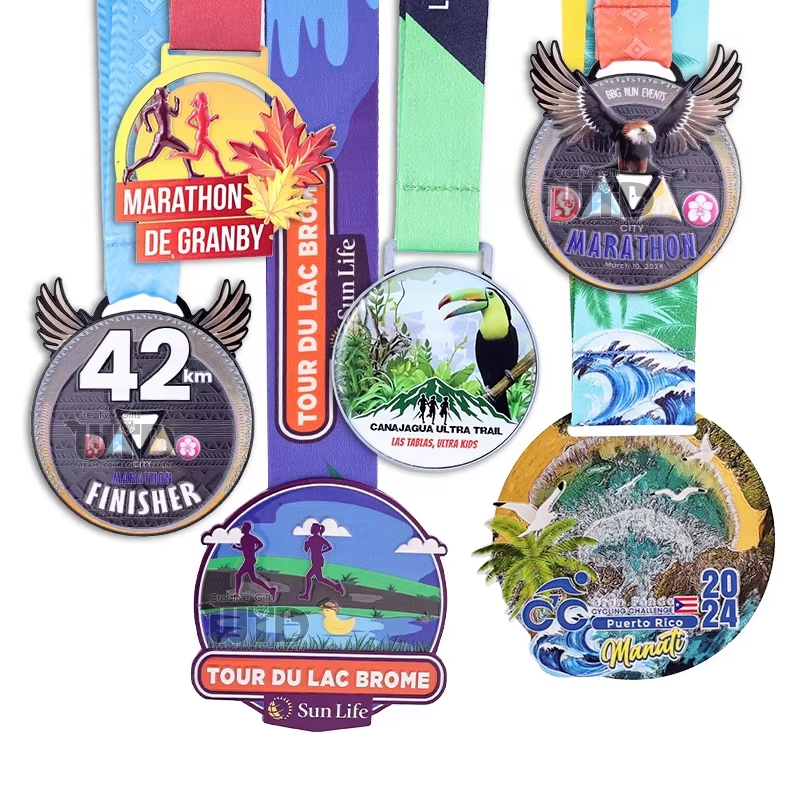
Cycling medals aren't just trophies people hang on their walls. They tell stories through design elements we see all the time - mountains drawn against the background, those circular chainring shapes, maybe even some colorful sunrises painted across the surface. Each detail manages to pack in what makes a particular race special, turning metal into memory. According to a study done last year by Sports Psychology Today, around eight out of ten endurance athletes actually link these symbols on their medals to real moments they experienced during competitions. Think about finishing that really tough climb after months of training, or finally completing an ultra marathon when everyone said it was impossible. The pictures on the medal help bring back those feelings every time someone looks at it, making the whole experience come alive again years later.
Design Elements That Reflect Event Themes: Route Maps, Finish Line Motifs, and More
When events have unique designs, riders tend to feel more connected to the race itself. Some organizers now include laser engraved maps that show the actual routes taken during competitions, allowing cyclists to look back on their journeys after the fact. The colors used often match those of sunrise or sunset, bringing back memories of particular weather conditions experienced along the way. For multi day races, many companies are starting to offer medals made up of different parts that get collected year after year. This tactic has actually boosted repeat attendance rates by about 63 percent according to Endurance Sports Trends from last year. Green considerations play a role too. Recycled plastic components show up in gravel bike races where participants care about environmental impact. And special enamel coatings help keep awards looking good despite being displayed outside during ceremonies, which can be pretty rough on regular materials.
Customization and Personalization for Participant Engagement
Custom Sports Medals: Adding Names, Dates, and Unique Finishes
When medals get personalized, they transform from just another trophy into something really special that people want to keep forever. Adding engravings like names, dates, or even specifics about races such as elevation gains or distances covered helps athletes feel connected to what they accomplished during those events. The finish on these medals often reflects actual race day experiences too sunrise gold colors for morning races or stormy gray shades when someone tackles mountainside courses adds extra layers of emotion. A recent look at data from participants in 2024 shows around 78 percent mentioned that having these personal elements was why they signed up for another event next year, showing clearly that customizing items makes them worth more in peoples eyes.
Creating Collectible Experiences Through Personalized Cycling Medal Designs
Organizers these days are starting to think about medals not just as souvenirs but as pieces of something bigger that people want to collect over time. Each year brings limited edition designs with cool modular bits attached sometimes they have those detachable bike chain pendants or wheels that spin around which gets riders coming back season after season. There's also different levels of finishes to keep folks engaged. Newcomers get basic bronze versions while those who stick around for ten years or more might find themselves holding onto fancy diamond coated ones. When someone looks at all their medals lined up together, it tells a story of their progress through the years almost like reading through old photo albums. Some studies indicate this kind of system actually increases how loyal people stay with events by about twenty percent. Makes sense really good design does more than look nice it helps build real connections between participants.
Material Quality and Durability for Outdoor Event Conditions
Choosing Durable Materials That Balance Prestige and Practicality
A good medal needs to survive all sorts of handling during ceremonies plus whatever weather throws at it while still looking impressive. Many manufacturers turn to zinc alloys with enamel coatings because they resist scratches just as well as quality jewelry does, as noted in SportsTech last year. When budget matters but strength is still important, powder coated aluminum works pretty well too. Tests published in Material Engineering Quarterly earlier this year showed these aluminum medals hold up about 85% as long as stainless steel ones, but they cost around 40% less to produce. That makes them an attractive option for organizers who want something durable without breaking the bank.
- Impact resistance: To survive drops during podium celebrations
- Weight distribution: Heavier metals (100g) feel prestigious but require reinforced ribbons
- Surface texture: Matte finishes resist scuffing better than glossy surfaces
Modern manufacturing blends recycled stainless steel with polymer cores, reducing environmental impact while maintaining structural integrity.
Weather Resistance and Long-Term Preservation of Cycling Medals
Outdoor events demand weather-resistant construction. UV-stable coatings prevent fading under prolonged sunlight—critical since 73% of races face eight or more hours of daily sun exposure (2024 Outdoor Product Durability Report). In wet climates:
- Epoxy sealing protects engravings from moisture corrosion
- Nickel-free plating prevents green oxidation stains on clothing
- Laser etching retains detail despite thermal expansion
Coastal events often use 316L surgical-grade stainless steel, which resists salt spray corrosion three times longer than standard grades. For long-term preservation, experts recommend cleaning with mild soap and storing with silica gel to maintain luster for decades.
The Legacy of Cycling Medals in Event Culture and Community
Passing Down Stories: How Medals Preserve Personal and Collective History
Cycling medals mean more than just winning races. They become keepsakes that families hang on walls for years, sometimes handed down through generations as reminders of special moments. Some folks keep them after their first 100 mile ride, others treasure them following tough comebacks from injuries. Around 78% of riders actually put their medals on display somewhere visible at home, often telling stories about how they earned each one when guests come over. Local communities love putting their own stamp on medal designs too. Many include pictures of famous landmarks or traditional symbols that represent the area. For charity events, organizers might change ribbon colors every year to show progress toward fundraising goals. Mountain bike races often feature profiles of challenging climbs right on the medals themselves, making them tiny maps of memorable journeys.
From Charity Rides to Pro Races: The Role of Medals Across Event Scales
Cycling medals bring people together no matter what size the event happens to be. For charity rides, these little tokens do double duty as awareness symbols - think pink ribbons for breast cancer support campaigns - and also act as thank you notes for donors who contribute money. When we get to pro racing though, those podium finishes mean everything to riders. The Tour de France winners see their gold medals as proof that all those early morning training sessions were worth it. What works well for medal design seems pretty consistent everywhere though: making sure something looks special enough to want but still accessible to most folks. Local road races often go with laser engraved aluminum because it doesn't break the bank and holds up outside, whereas big international events like Gran Fondo typically pick fancy two tone zinc alloys so they look great when photographers snap pictures or organizers display them at expos.
| Event Type | Medal Role | Common Design Features |
|---|---|---|
| Charity Rides | Fundraiser branding & participation proof | Cause ribbons, event logos, donor recognition |
| Gran Fondos | Personal achievement certification | Elevation charts, distance markers |
| Pro Races | Competitive validation | Podium rankings, sponsor engravings |
This enduring role across generations and event types cements cycling medals as cultural touchstones—bridging personal pride with community identity.
FAQs
Why are cycling medals important for motivation?
Cycling medals serve as tangible goals that motivate cyclists to perform better, encouraging extra effort in training and racing by providing a physical reward for hard work.
How do cycling medals contribute to athlete recognition?
They provide emotional satisfaction and symbolize hard work and personal growth, often turning riders from participants into athletes with meaningful achievements.
What design elements are commonly found on cycling medals?
Designs often include route maps, finish line motifs, and symbols that reflect the event's theme or personal moments of the athletes, thereby enhancing connection to the race.
Why is personalization important for cycling medals?
Personalized medals with names, dates, and unique finishes add value, helping athletes feel more connected to their achievements and encouraging future participation.
What materials are used for durable cycling medals?
Materials like zinc alloys, powder coated aluminum, and stainless steel are popular for their durability and practical handling, while UV-stable coatings ensure longevity in outdoor conditions.
How do cycling medals preserve history and community culture?
Medals serve as keepsakes that pass down stories and display achievements, often reflecting local symbols, fundraising progress, and challenging race elements.
Table of Contents
- The Emotional and Motivational Impact of Cycling Medals
- Symbolism and Design: Capturing the Spirit of the Event
- Customization and Personalization for Participant Engagement
- Material Quality and Durability for Outdoor Event Conditions
- The Legacy of Cycling Medals in Event Culture and Community
-
FAQs
- Why are cycling medals important for motivation?
- How do cycling medals contribute to athlete recognition?
- What design elements are commonly found on cycling medals?
- Why is personalization important for cycling medals?
- What materials are used for durable cycling medals?
- How do cycling medals preserve history and community culture?