 EN
EN

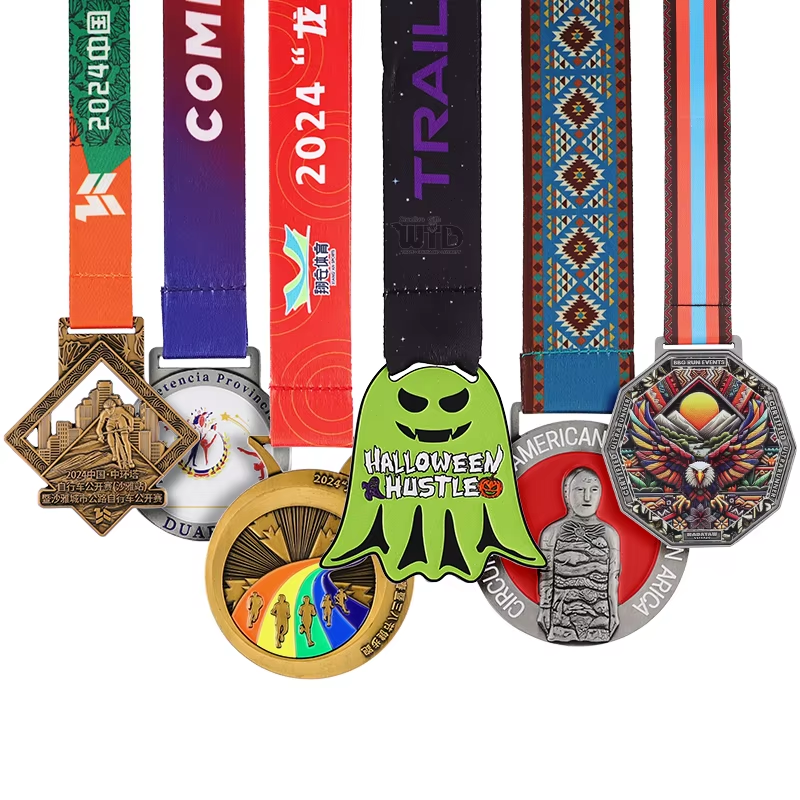
The Symbolism and Emotional Value of a Running Medal
How Running Medals Represent Personal Achievement and Perseverance
A running medal isn't just something you hang on your wall after crossing the finish line. These little tokens actually represent all those early morning workouts, the sore muscles, and the mental battles most people don't see. According to some research from Ponemon in 2023, around three out of four marathoners find their medals pretty motivating while they're training. It turns that vague feeling of pushing through tough times into something real, something concrete that says "Hey, look at me! I actually did it!" The medal becomes this emotional anchor for many runners. And interestingly enough, when races give out custom medals that match specific challenges faced during the event, participants tend to stick with endurance sports longer. Studies show about a quarter more engagement rate among these folks, which suggests good design really does matter when it comes to keeping athletes coming back year after year.
The Psychological Impact of Earning a Medal in Endurance Sports
Getting a race medal actually gives people real psychological benefits. Studies show that just holding onto that medal can boost dopamine levels around 18 percent, which is why our brains start linking hard work with feeling good about ourselves (Journal of Applied Sport Psychology reported this back in 2022). That explains why so many ultra runners keep showing off their medals at home or in offices. About two thirds of them do this, using those shiny tokens as reminders when they face tough times later on. The meaning goes even deeper for some folks though. People who've battled serious illnesses or gone through traumatic experiences often see these medals as symbols of taking back control over their lives. A recent survey showed that nearly half of all participants ran for someone special or dedicated their race to a particular cause, making those little pieces of metal much more than just trophies. They become something meaningful, carrying stories of recovery and renewed purpose along with them.
When the Medal Overshadows the Race: Balancing Recognition and Spirit
Medals do celebrate achievement, but according to recent surveys, around two thirds of marathon runners think we shouldn't put style ahead of what really matters. Take last year's Chicago Lakeshore Marathon as an example. Runners were pretty upset when organizers spent money on fancy medals covered in gems instead of keeping enough water stops along the route. What makes a medal truly special? Look at Boston's famous unicorn design that hasn't changed since the mid 80s. It stands for tradition, not flashiness. When it comes down to it, thoughtful touches count more than price tags. Zinc alloys mixed with enamel can look just as good as expensive brass options, costing about 40 percent less. And if they include something personal like the actual race date engraved on them, runners tend to value them even more.
Why Emotional Resonance Matters More Than Aesthetics Alone
What makes a race medal truly valuable isn't how shiny it looks but what story it tells. According to recent data from the Running Industry Report published last year, around 78 percent of marathoners actually gravitate toward those slightly flawed medals that have something personal engraved on them, whether it's their actual finishing time or maybe even a landmark from where they ran. People just connect more with these unique pieces rather than the same old generic ones everyone gets. When races support local charities or community projects, participants tend to keep those medals forever, sometimes even passing them down through families. That says a lot about how stories matter more than aesthetics. The really special medals usually come with clever little details too. Some have special coatings that resist rust because organizers want to symbolize lasting determination. Others feature removable ribbons where runners can write down motivational phrases they heard during the race or words that got them through tough stretches.
Design Principles That Make a Running Medal Memorable
Aligning Medal Design With Race Theme, Location, and Culture
When medals actually represent something about the race itself, people tend to value them more. These days, event organizers are getting pretty creative with how they connect medal designs to what the race stands for. Take charity events for instance, they often include those colorful ribbons we all recognize. Cultural celebrations bring in traditional artwork patterns, while marathons near the beach somehow always end up looking like waves frozen in metal. Cities host races too, where medals sometimes look like miniature skylines. This approach makes each piece feel special, almost like a keepsake that tells a story about why someone ran, making participants feel more connected to the whole experience.
Using Color, Texture, 3D Effects, and Engraving for Visual Impact
The way something looks and feels really sticks in our memory. When manufacturers contrast dark enamel against shiny metal parts, those little design touches just pop right out at us. And then there's the texture thing too. Brushed surfaces give things that extra layer of interest that plain old smooth ones can't match. A recent study from the Color Research Institute found that about three quarters of marathoners actually hang onto their medals for much longer if they come in bright, eye catching colors. For events like mountain races, companies are getting creative with 3D sculpting techniques that mimic actual terrain features on the medal itself. Laser engraving has also become pretty standard these days because it lets organizers put those important details like race completion times directly onto the metal without worrying about them wearing off over time.
Incorporating Iconic Landmarks or Local Heritage to Enhance Meaning
Including recognizable landmarks fosters emotional attachment. A 2024 survey found 68% of runners prefer medals featuring bridges, monuments, or UNESCO site outlines, which provide instant location recognition. These designs transform the medal into a cultural keepsake, celebrating the host city while giving runners a lasting memento of place and experience.
Personalization and Innovation in Running Medal Experiences
Custom finishes: Adding names, finish times, and unique ribbons
When medals get personalized details, they transform from simple awards into something people actually want to keep for years. Things like laser engraved names, maybe even the exact finish time someone achieved, plus ribbons that reflect local culture really make people connect emotionally with their medals. Some research done last year showed interesting results too. Runners tend to hang onto those custom medals about three times longer than regular ones, and around two thirds of them said those special touches were what made them proud enough to keep them. Plus there's another angle worth mentioning. More and more events are using eco friendly materials now, along with special dyes that match each particular race theme. These choices not only add to the overall sentimental value but also help support greener practices in the industry.
Case Study: How personalized medals boosted satisfaction at a boutique marathon
At the 2024 Cascade Peak Marathon, organizers got some impressive results when they started engraving finish times on medals and adding optional QR codes that connect runners to their race day photos. Looking at the responses after the event, around 85 percent of those who ran said they actually cared more about these little touches than where they placed in the standings. According to Sicpin's research from last year, marathons that give out personalized medals tend to get about 22% more people coming back for another go at it. There's something about having that unique keepsake that really sticks with folks long after the race is over, making them feel connected to the experience in ways that just crossing the finish line doesn't always do.
Emerging trends: QR codes, augmented reality, and digital twins
Races these days are getting pretty creative with technology at the finish line. Many events now include those scannable QR codes that let participants access special videos or get info about sponsors after crossing the line. There's also this cool stuff happening with AR medals. They tried them out during the Tokyo 2025 Virtual Marathon where people could point their phones at the medal and see all sorts of digital stats pop up right there on screen. And for serious tech fans, there are blockchain supported digital twin versions of medals too. These let runners check off their accomplishments securely and share them wherever they want online. It's basically taking something traditional like a race medal and making it work in today's digital world while still keeping that sense of achievement intact.
Materials and Craftsmanship: Building a Durable Keepsake
Choosing the right metal, plating, and weight for quality perception
What materials we pick really impacts how long people hold onto things emotionally. Most modern medals these days are made from zinc alloy, which accounts for around two thirds of all production according to Running Insight data from last year. The reason? Zinc works great for detailed engravings and doesn't break the bank. For those tough endurance races where medals might get exposed to harsh weather conditions, stainless steel tends to be the go to option. When it comes to gold plating, thickness makes a big difference. A coating that's about 2.5 microns thick generally holds up for four to five years with regular wear and tear, whereas thinner coatings at just 1 micron start showing signs of wear after only eighteen months or so. And interestingly enough, weight plays a role too. Medals that fall between 90 and 120 grams end up getting displayed on mantles and shelves about 23 percent more often than lighter ones, based on what runners actually report happening after events.
Balancing production cost with long-term durability and feel
Most event organizers have turned to dual material designs as a way to keep things looking good without breaking the bank. A recent look at production methods from last year found that when manufacturers paired aluminum centers with brass outer bands, they cut down on factory costs by around 34 percent. At the same time, these hybrid medals stayed intact for competitions lasting five years longer than standard models by about 19%. The finish options have gotten pretty impressive too. Powder coating works just as well as old school enamel jobs but costs roughly 40% less to apply. And interestingly enough, most people who actually wear these medals can't tell the difference between the two types when looking at them straight on. This kind of smart engineering means organizers get value for money while athletes still receive something worth keeping after the race is over.
FAQ Section
What psychological benefits do running medals provide?
Holding onto a medal can boost dopamine levels by around 18%, linking hard work with positive feelings.
Why do people prefer slightly flawed, personalized medals?
People connect more with unique pieces that have personal engravings, making them more cherished than generic ones.
How do modern races incorporate technology into race medals?
Many races now include QR codes for event videos and use augmented reality for digital stats display.
What materials are commonly used for race medals?
Zinc alloy is popular for medals due to its affordability and compatibility with detailed engravings.