 EN
EN
Why Event Type Dictates Custom Medal Design Strategy
Aligning medal aesthetics with sports, corporate, or commemorative event identity
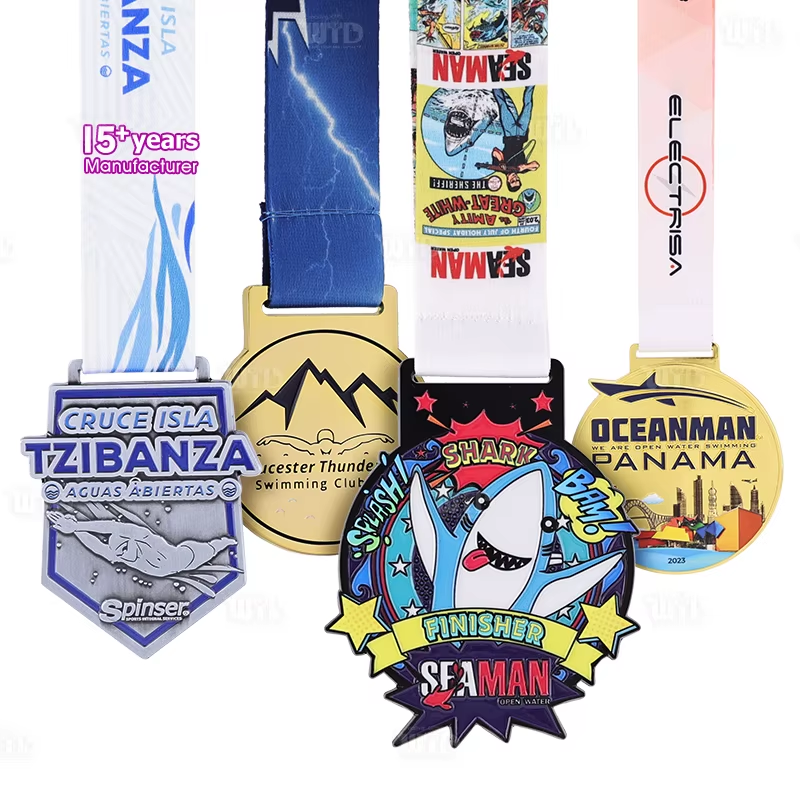
When designing medals for specific events, understanding what makes people tick comes first. For sports events, designers often go with bold visuals that capture the spirit of competition. Think laurel wreaths, those motion lines we see in action shots, or maybe some kind of figure frozen mid-action. These elements really tap into that feeling of pushing limits and achieving something great. Corporate gatherings need something altogether different though. The logos and symbols should match whatever message the company wants to send out there. Tech companies love clean lines and sharp angles at their conferences, while green energy summits tend toward softer shapes and nature-inspired designs. Innovation events? Simple text usually works best. Then there's the whole category of commemorative events like anniversaries or memorials. These require images that mean something deeper. Maybe include local buildings from the area where it happened, or create abstract art that represents lasting impact. Cultural patterns also work wonders when they connect with shared memories or traditions.
A robotics competition medal featuring interlocking gears outperformed generic star-shaped designs in participant pride metrics by 37%, underscoring how purpose-built aesthetics deepen emotional connection and reinforce event identity.
Material, weight, and symbolism differences: triathlon vs. charity run vs. brand activation
| Event Type | Material Preference | Weight Range | Symbolism Focus |
|---|---|---|---|
| Triathlon | Weather-resistant zinc alloy | 80–120g | Endurance, achievement |
| Charity Run | Eco-acrylic/recycled metals | 40–70g | Community, cause support |
| Brand Activation | Brass with dual plating | 60–90g | Brand identity, exclusivity |
Triathlon medals need to last through all sorts of conditions, which is why zinc alloy is so popular. These medals can handle sweat, saltwater from ocean swims, and even rubbing against rough surfaces without getting damaged. The weight also matters because people want something substantial that feels meaningful when they win. For charity events though, organizers are starting to switch things up. Many now go for lighter options made from stuff like eco-friendly acrylic or aluminum that's been recycled instead. This makes sense since these races often focus on environmental causes anyway. When it comes to brand promotions, companies typically choose high quality brass that gets special treatment. Some get two layers of metal coating, maybe an antique gold finish over nickel underneath. The heaviness still plays a role here too, acting as a touch point that tells customers this isn't just any old medal. It says something about status and standing apart from regular competition awards.
A 2023 participant survey revealed 68% associate heavier custom medals with greater accomplishment in endurance events, whereas 74% prefer lighter, eco-friendly options for community-focused activities—confirming that material and mass are strategic extensions of intent.
Personalization That Deepens Emotional Resonance and Brand Recall
Beyond engraving: layered custom medal personalization (names, dates, logos, QR codes)
Personalization these days goes way past just scratching names onto surfaces. Think about what happens when we layer different techniques together. Embedded QR codes that connect to race day footage or custom thank you notes, logos filled with colorful enamel for pop, and double plating that adds real depth all turn simple medals into something special people can actually remember. What makes this work is how it lets folks keep their own stories close at hand. Imagine seeing a marathon finish time right next to a company logo, or finding a volunteer anniversary marked in raised metal, maybe even spotting a business name glowing in bright enamel colors years later.
Such tactile customization increases perceived value by 68% compared to generic awards, according to peer-reviewed experiential design research published in the Journal of Consumer Psychology.
How meaningful customization boosts social sharing and post-event engagement
When medals reflect authentic personal milestones—a first 5K, a cancer survivor's 10th race, or a team's founding anniversary—they become social currency. Participants are 3.2× more likely to share photos of personalized medals on social platforms, extending organic reach and reinforcing brand visibility without paid promotion.
These shares spark authentic dialogue: 72% of recipients report discussing event details when showing off customized medals—turning passive recognition into active storytelling. The emotional resonance also drives loyalty: recipients of personalized awards show 40% higher repeat participation rates, per longitudinal data from the Event Marketing Institute's 2024 Retention Benchmark Report.
Selecting the Right Materials and Finishes for Premium Custom Medals
Zinc alloy, brass, stainless steel, and eco-acrylic: durability, cost, and sustainability trade-offs
What material gets used makes all the difference when it comes to how long a medal lasts, how it looks, and whether it fits with green goals. Zinc alloy is great for getting those fine details right, and costs anywhere from 30 to 50 percent less than brass. That price advantage makes it perfect for complex designs such as detailed city scenes or tiny textures that would be tough on other materials. Brass stands out because it doesn't rust easily and has this beautiful golden glow people love for awards and important recognitions. But let's face it, brass costs 20 to 40 percent more than zinc. Stainless steel holds up really well outside, which is why we see it so much at triathlons and mountain running events. The downside? It just doesn't take colors as well as other options because of how it needs to be plated. Eco acrylic is becoming popular these days since companies want to meet their sustainability targets. When made from recycled materials, it cuts down on carbon emissions by around 60% compared to new metals. Plus, brands can get those vibrant colors they crave for eye-catching promotions without breaking the bank.
| Material | Key Advantage | Cost Impact | Best For |
|---|---|---|---|
| Zinc alloy | Complex 3D detailing | $–$$ | Detailed designs |
| Brass | Premium metallic luster | $$$ | High-value recognition |
| Stainless steel | Weather resistance | $$–$$$ | Outdoor/triathlon events |
| Eco-acrylic | Carbon reduction | $–$$ | Eco-conscious initiatives |
Finishing techniques (antique, mirror, matte) and ribbon integration as prestige signals
The right surface finish can turn ordinary materials into something special that stands out. For those wanting that old world look, antique patinas work wonders by creating depth through careful oxidation processes. These are great choices when designing pieces for historical events or marking important milestones. Mirror polish is another option that reflects almost all light, making it perfect for showcasing company logos during big events where appearance matters most. Matte finishes have become really popular lately because they look modern yet stay clean looking even after regular use, which makes them ideal for items people handle throughout their day.
Ribbon integration completes the prestige equation: double-faced satin or grosgrain ribbons with woven logos increase perceived value by 40%, per the International Awards Association's 2023 Benchmark Survey. Embedded quick-release clasps further enhance usability—encouraging wear beyond ceremony day and sustaining brand presence in everyday life.
FAQ
Why is it important to match medal design with the event type?
Matching the medal design with the event type enhances emotional connection and reinforces the event identity. It ensures that the aesthetics resonate with the participants' experiences and achievements.
What materials are best suited for triathlon medals?
Weather-resistant zinc alloy is best suited for triathlon medals as it handles various conditions like sweat and saltwater well, ensuring longevity and endurance.
How does personalization increase the perceived value of medals?
Personalization increases the perceived value as it allows participants to keep personal stories and achievements close, enhancing emotional resonance and making the award memorable.