 EN
EN

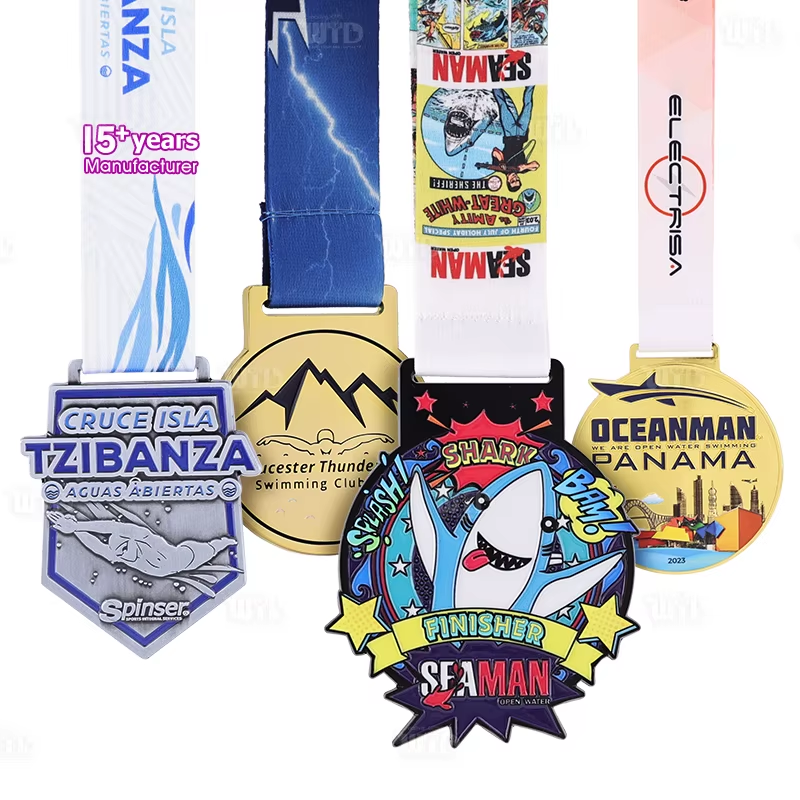
What International Quality Standards Apply to Custom Medals?
Key Certifications: ISO 9001, REACH, and RoHS Compliance
For companies making high quality custom medals, getting those international certifications isn't optional anymore. The ISO 9001 standard basically sets up a solid quality control framework that keeps things consistent throughout every stage from initial design right through to shipping out finished products. Then there's REACH and RoHS regulations which are all about material safety restrictions. These rules limit dangerous chemicals like lead, cadmium, mercury, hexavalent chromium, and certain phthalates to just 0.1% or less in any given material batch. Take Olympic medal makers as an example they have absolutely no room for error when it comes to toxic substances in their materials because even one violation means getting kicked out of the competition entirely. According to a recent 2023 study looking at the industry, manufacturers who had all three major certifications saw their defect problems drop by around two thirds compared to those without proper certification. This shows clearly why sticking to these standards matters so much for both product safety and overall manufacturing performance.
Event-Specific Requirements: Olympics, World Championships, and Corporate Global Awards
Major events set much higher bars than basic certifications when it comes to technical specs, especially considering the size and meaning behind each award. Take Olympic medals as an example they need exact compositions like 92.5% silver content for silver ones, plus tight weight controls around plus or minus 5 grams. Third party labs actually test the metal purity to make sure everything meets standards. For World Championship events, there's additional testing based on what sport demands. Marathon medals have to pass rigorous salt spray tests lasting 500 hours according to ISO 9227 standards to ensure they last through all weather conditions. When companies create global awards, colors matter a lot too. They match Pantone shades so closely that differences are almost impossible to see, measured at Delta E values below 1.5 using special light measuring tools. Before anything ships out, most organizers do quality checks anyway. At the 2022 Commonwealth Games, nearly one third of first batches didn't pass because the finishes weren't good enough. These requirements aren't just about following rules they really show how seriously organizations take maintaining their reputation and creating meaningful symbols for participants.
Material and Craftsmanship Essentials for Premium Custom Medals
Choosing Compliant, Durable Alloys: Brass, Zinc Alloy, and Stainless Steel
What makes a top quality custom medal really stand out starts with picking the right metal mix - finding that sweet spot between how it looks, how strong it is, and making sure it meets safety standards. Brass has long been the go to choice for those fancy awards that need to last generations. People love how it shines, holds detailed engravings so well, and bends just enough to create those amazing raised designs. When budget matters more but details still count, zinc alloy comes into play. It handles complicated shapes and tiny features while staying stable through plating processes and regular handling. Need something that can withstand harsh conditions? Stainless steel is tough as nails against rust and corrosion. Some tests actually found that stainless medals keep looking good three times longer than regular ones when exposed to moisture or salt air. And let's not forget about regulations. All these metals have to pass strict chemical tests under REACH and RoHS guidelines. Manufacturers need proper documentation showing their products don't contain any banned materials, which protects both customers and the environment.
Advanced Production Techniques: CNC Stamping, Electroplating, and Precision Laser Engraving
High quality custom medals come from a carefully planned series of manufacturing steps. The first step involves CNC stamping where metal blanks get pressed with forces reaching around 200 tons. This creates very accurate dimensions, usually within about 0.05mm tolerance. Such precision means even tiny details in relief work stay sharp and clear. After stamping comes electroplating. Thin layers of metal are applied carefully, think about 0.3 to 0.8 microns thick for things like 24K gold or rhodium coatings. This not only makes the medal look better but also protects against tarnishing over time. When it comes to adding personal touches like names, dates or serial numbers, laser engraving does the job. The laser heats the surface to roughly 15,000 degrees Fahrenheit, burning away material to create lasting marks that stand out clearly without warping the metal or causing any stress. All these methods meet strict global standards and still allow for unique custom designs when needed.
Quality Control Workflow: From Design to Delivery of Custom Medals
A rigorous, stage-gated quality control workflow ensures every custom medal meets international standards without compromising design intent. This systematic approach prevents defects, preserves consistency, and safeguards brand reputation from concept through shipment.
Design Validation and Technical Drawing Review for Consistency
Manufacturers typically check their designs before starting any actual tooling work. They run simulations on computers these days, stuff like finite element analysis to see how stress spreads through materials, plus they build working models to test things out physically. When it comes to technical drawings, different departments get together to look them over carefully. Things like how deep the engravings need to be, what kind of metal thickness works best, how clasps function mechanically, and where weight should be distributed throughout the piece all get checked against those ISO 9001 standards everyone in manufacturing follows. Getting this right at the beginning saves a ton of money later on because nobody wants to stop production halfway through and fix problems that could have been caught earlier. Plus, it helps keep the original design concept from getting lost in translation when turning ideas into actual products that perform as intended.
Multi-Stage Inspection: In-Process Checks and Final AQL Sampling
We build quality checks right into each stage of production. Right after stamping operations, our technicians check the relief height and edge details using optical comparators. Once parts go through plating, we measure coating thickness and test adhesion with X-ray fluorescence equipment and standard tape tests according to ASTM B571 specifications. For those polished surfaces, we run spectral gloss measurements and conduct visual inspections under proper D65 lighting conditions to catch any subtle imperfections. Before anything gets packed up for shipment, we perform a final AQL Level II audit on about 10% of the total batch following ISO 2859-1 standards. Flaws get categorized as critical, major or minor based on their impact. Our multi-step approach catches around 98% of issues before products leave the facility, which helps maintain consistent quality even when running thousands of units at once.
How to Choose a Trusted Custom Medal Manufacturer
Selecting a trusted manufacturer is critical to delivering custom medals that embody excellence, compliance, and enduring value. Focus on four decisive criteria:
- Proven Global Experience: Prioritize partners with documented work for Olympic committees, world sports federations, or multinational corporate programs—evidence of navigating complex compliance, logistics, and deadline-driven execution.
- Embedded Quality Infrastructure: Confirm implementation of ISO 9001-aligned workflows—including in-process metrology, third-party lab testing access, and transparent AQL reporting—not just final-inspection claims.
- Material & Process Transparency: Require full material declarations (including SDS and RoHS/REACH certificates), alloy specifications, and process documentation (e.g., plating thickness reports, laser power calibration logs).
- Collaborative Partnership Signals: Look for responsive technical support, willingness to share pre-production samples, and customer testimonials referencing consistency across multi-year award cycles—not just one-off projects.
These indicators reflect deep domain expertise, operational discipline, and accountability—core EEAT signals that distinguish true specialists from transactional suppliers.
FAQ
What international standards are important for custom medal production?
The key standards include ISO 9001 for quality control, and REACH and RoHS for material safety, particularly restricting harmful chemicals to ensure safe and eco-friendly production.
What specific requirements do major events impose on medal production?
Events like the Olympics require precise compositions and weights, while additional tests like salt spray tests for marathons ensure medal durability against environmental factors.
Why is material selection crucial in custom medals?
Selecting the right alloy such as brass, zinc, or stainless steel impacts the medal's appearance, durability, and compliance with safety standards.
How does the production process ensure quality in custom medals?
The process involves techniques like CNC stamping, electroplating, and laser engraving, all of which provide precision and resilience to the medals.
What should I consider when choosing a custom medal manufacturer?
Ensure the manufacturer has global experience, adheres to quality standards, offers material transparency, and has a track record of collaborative partnerships.
Table of Contents
- What International Quality Standards Apply to Custom Medals?
- Material and Craftsmanship Essentials for Premium Custom Medals
- Quality Control Workflow: From Design to Delivery of Custom Medals
- How to Choose a Trusted Custom Medal Manufacturer
-
FAQ
- What international standards are important for custom medal production?
- What specific requirements do major events impose on medal production?
- Why is material selection crucial in custom medals?
- How does the production process ensure quality in custom medals?
- What should I consider when choosing a custom medal manufacturer?