 EN
EN

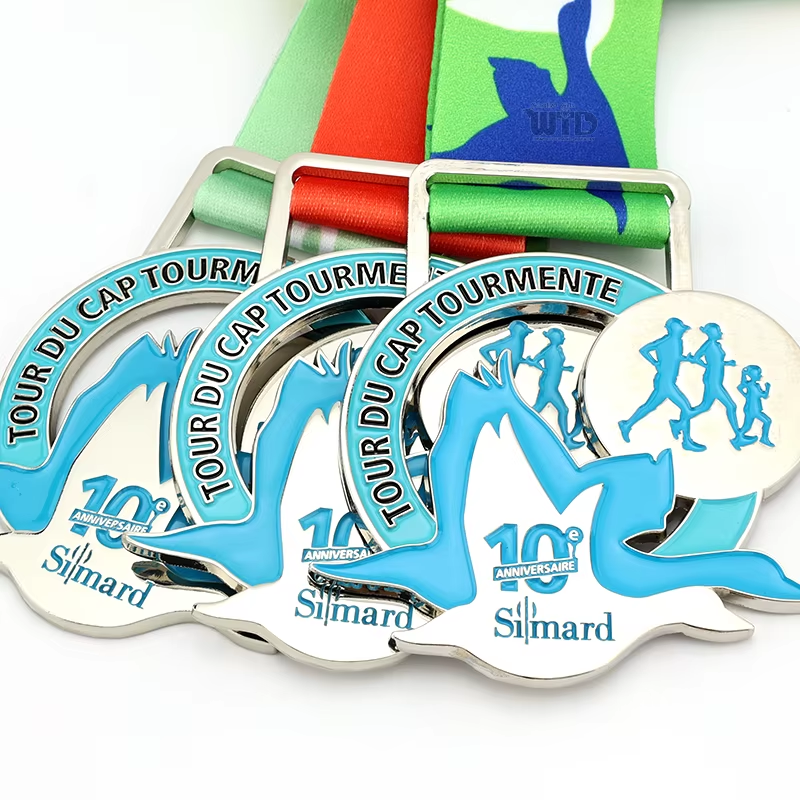
Medal Anatomy: Understanding Core Components and Their Impact on Perception
Medallion, Suspension Connector, Ribbon, and Top Bar â Function Meets First Impression
How a medal is constructed affects how people perceive it right away through multiple senses at once. The actual medallion grabs attention because of its physical weight and the depth of those engravings, usually around 0.3 to 0.7 mm deep, which tells us something about quality and skill involved. Those suspension parts need to hold everything together visually as well as structurally so there aren't any jarring transitions when looking from the ribbon down to the main part. Most ribbons today are made with about 60% polyester mixtures since they last longer and hang nicely, giving off a certain feel during ceremonies that adds to their solemnity. Top bars aren't just decorative either; studies show that people tend to think awards matter more when these bars measure 12 mm wide or bigger. All these components work together to tap into our natural ability to process what we see and touch simultaneously, helping eliminate confusion and making the whole thing feel genuinely valuable instead of just expensive looking.
How Structural Design Influences Customization Options and Award Prestige
The way we design structures really affects how much we can customize something and what kind of status it signals. Medallions larger than 40mm allow for detailed embossing work, though they do cost around 15 to 30 percent more to produce. A modular suspension system lets different emblems be swapped out while still keeping everything stable, which works great for companies running ongoing recognition programs that need updates. Size matters a lot when people judge quality. Ribbons at least 32mm wide combined with heavier materials like zinc brass mixtures actually make folks think the product has better quality according to some research published in aesthetics journals. Get all these elements right together weight distribution, proper sizing, good surface finish and suddenly medals stop being just metal pieces. They turn into something special that people remember long after receiving them as meaningful representations of their accomplishments.
Material Selection: Balancing Durability, Aesthetics, and Sustainability in Medals
Zinc Alloy, Brass, and Iron â Weight, Finish Retention, and Long-Term Value
What materials we choose really affects how long things last and what people think about them emotionally. Zinc alloys are pretty good value for money and they reproduce fine details well too, plus they have enough weight to feel right in someone's hand. Medals weighing less than 80 grams just don't feel substantial enough when handed out. Brass is another option that stands up better against rust and gives off this rich, heavy quality that works great for big events where appearance matters. But brass does cost around 30 percent more than zinc. Iron can be tough on the wallet but needs special coatings to stop it from rusting away over time, which adds extra steps to the manufacturing process.
| Material | Weight Perception | Detail Fidelity | Corrosion Resistance | Cost per Unit* |
|---|---|---|---|---|
| Zinc Alloy | Medium-Heavy | Excellent | Moderate | $0.90â$2.10 |
| Brass | Heavy | Exceptional | High | $1.80â$3.50 |
| Iron | Medium | Good | Low (needs coating) | $0.80â$1.60 |
| *Based on production runs of 500+ units (Industry Benchmarks 2023) |
Plating Options (Gold/Silver) and Eco-Conscious Alternatives for Responsible Sourcing
The way surfaces look really matters when it comes to projecting authority these days, and we just can't treat sustainability as something tacked on at the end anymore. Studies in the field show that gold and silver plating boosts how prestigious something looks by around 47%. But there are better choices out there now that don't compromise quality. Take recycled aluminum alloys for instance they consume about 95% less energy compared to making new metal from scratch. And materials like compressed bamboo mixed with ocean plastics hold up structurally for at least five years without any issues. Companies ordering stuff for their sustainability awards have started noticing this trend too, with eco friendly options accounting for nearly 30% of all requests lately. So it turns out, looking good doesn't mean sacrificing environmental responsibility after all.
Design & Customization: Ensuring Visual Alignment with Your Brand and Ceremony Goals
Theme Consistency, Pantone Matching, and Surface Finishes (Antique, Polished, Matte)
Medals extend your brand identity into tangible form. Precise Pantone matching is non-negotiableâcolor mismatches reduce brand recall by up to 30%, per design cognition research. Surface finishes must align with ceremony ethos:
| Finish Type | Visual Impact | Ideal Use Case |
|---|---|---|
| Antique | Vintage prestige | Academic/historical ceremonies |
| Polished | Modern shine | Corporate/sports achievements |
| Matte | Subtle sophistication | Arts/eco-conscious events |
Consistent themingâacross color, finish, typography, and motifâelevates perceived award value by 40% compared to generic designs, according to leading recognition program benchmarks.
Logos, Text, and Insignias â Legibility, Embossing/Engraving Depth, and Production Realities
Clarity trumps complexity. Engraved text below 8pt becomes illegible at armâs length; embossing requires â¥1.2mm depth for structural integrity and visual definition. Complex logos increase unit cost by 18â25% ($0.80â$6.90) due to mold refinement and setup time. To ensure fidelity and efficiency:
- Supply vector artwork for crisp die-striking
- Use metallic contrasts (e.g., dark enamel on silver) for maximum legibility
- Prioritize simplified motifsâthey accelerate turnaround by 7 days versus intricate layouts
Prototype rigorously: surface-area constraints mean overcrowded elements dilute impact. Strategic simplification preserves prestige without sacrificing meaningâor budget.
Ribbon Integration: Psychology, Functionality, and Sustainable Printing for Medals
Ribbons transform medals from static tokens into emotionally charged symbols. Color psychology guides intentionâblue reinforces trust, red signals achievement, green embodies growthâaligning visual language with ceremony narrative. Functionally, ribbons must balance durability with comfort during repeated handling and display.
Sustainable printing has matured beyond compromise. Recycled PET (rPET) ribbons and certified biodegradable substrates now meet the same tensile and fade-resistance standards as virgin materials. Water-based digital printing cuts chemical waste by 40% versus solvent-based methods (Eco-Textile Report 2023), while delivering vibrant, long-lasting color.
| Attribute | Traditional Approach | Sustainable Alternative |
|---|---|---|
| Material | Virgin polyester | Recycled PET/biodegradable |
| Printing | Solvent-based inks | Water-based digital |
| Carbon Impact | Higher emissions | Reduced by 30â50% |
When thoughtfully integrated, ribbons deepen thematic resonance and reflect organizational valuesâmaking sustainability a visible part of the honor itself.
Procurement Strategy: Budget, Timeline, and Partner Selection for High-Quality Medals
Cost Drivers: $0.80â$6.90 Range, Bulk Discounts, and How Design Complexity Affects Unit Price
Materials make up roughly 40 to 60 percent of what something costs overall. Zinc alloys generally start around 80 cents to $1.50 per unit, whereas brass can run anywhere from $4.20 up to nearly $7 per piece. When ordering over 500 units, most companies see somewhere between 15% and 30% off their total bill thanks to buying in bulk. The design gets complicated fast too. Adding just one more Pantone color tends to bump prices by about 8-12%. Things get really expensive when we talk about 3D sculpting or going for dual plating options since those require special tools and extra hands on deck, pushing costs up anywhere from 25% all the way to 50%. Always think about materials and finishes first before anything else because these choices have the biggest impact on how valuable something looks to customers in the end.
Lead Time Management: Artwork Approval, Physical Prototyping, and Collaborative Manufacturing
It usually takes around six to eight weeks from start to finish for most production runs. Getting artwork approved generally takes three to five business days, while creating physical prototypes adds another seven to ten days onto the timeline. This extra step is worth it though since it catches issues with weight, fit, appearance, and text clarity before things get too far along. When working with manufacturers, look for ones who have good online systems where everyone can see what's happening. Checkpoints at about quarter, half, and three quarters done help keep everything on track. These regular updates make sure nobody gets lost in the process and maintain quality throughout.
Frequently Asked Questions
What are the essential components of a medal?
The essential components of a medal include the medallion, suspension connector, ribbon, and top bar. Each component plays a role in both the structural integrity and the perceived value of the medal.
How does the choice of material affect a medal's durability?
The material chosen affects a medal's weight, detail fidelity, and corrosion resistance. For instance, brass offers high corrosion resistance and a heavy feel, while zinc alloy provides excellent detail fidelity.
What is the significance of ribbon integration in medal design?
Ribbons add emotional value to medals through color psychology and theme alignment. They must also balance durability with comfort, and choosing sustainable materials for ribbons can reflect organizational values.
How can medals be customized to align with brand identity?
Medals can be customized through theme consistency, Pantone color matching, and selecting appropriate surface finishes. These elements should align with ceremony goals to elevate the award's perceived value.
What factors impact the cost and production time of medals?
Factors affecting cost include material choice, design complexity, and plating options. Production time can be impacted by artwork approval, physical prototyping, and the manufacturing process.
Table of Contents
- Medal Anatomy: Understanding Core Components and Their Impact on Perception
- Material Selection: Balancing Durability, Aesthetics, and Sustainability in Medals
- Design & Customization: Ensuring Visual Alignment with Your Brand and Ceremony Goals
- Ribbon Integration: Psychology, Functionality, and Sustainable Printing for Medals
- Procurement Strategy: Budget, Timeline, and Partner Selection for High-Quality Medals